
At-Home vs In-Clinic RF Microneedling | Jeisys Medical Inc
- Articles
At-home RF and microneedling gadgets are widely marketed, and it is fair to ask whether they can match a clinic treatment. The short answer is that they are very different things. This guide explains why, where home devices fit, and the safety points worth knowing before you buy one.
Do at-home RF microneedling devices work?
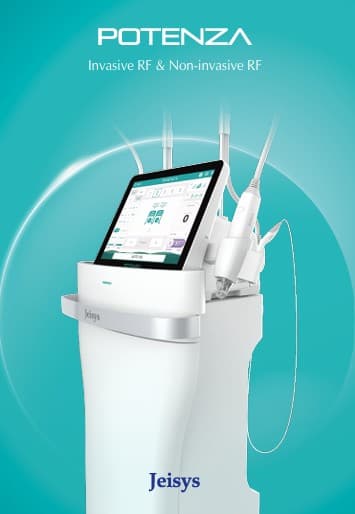
At-home devices are far gentler than clinic RF microneedling and cannot match its results, because consumer devices are deliberately limited in needle depth and energy for safety. They may give modest surface and maintenance benefits, but they do not reach the depth needed to firm the deeper layer or treat scarring. Clinic treatment on a professional platform like POTENZA reaches the structural layer with controlled energy, which is what produces meaningful change. Home devices are best seen as light maintenance, not a substitute.
Why home and clinic devices are not comparable
Professional RF microneedling works by delivering controlled heat to a chosen depth in the deeper layer of skin, which is what stimulates the collagen rebuild behind real results. Doing that safely requires precise depth control, regulated energy and trained judgement. Consumer devices are designed for untrained users at home, so by necessity they keep needle depth shallow and energy low, which is sensible for safety but means they cannot reach the layer where firming and scar remodelling happen. The limitation is deliberate, not a flaw, but it does cap what they can achieve.
Disclaimer: This article is intended for general information and education only. It is not medical advice and does not replace a consultation with a qualified, licensed medical or aesthetic practitioner. Treatment suitability, settings and outcomes vary between individuals, so always seek a professional assessment before deciding on any aesthetic procedure. POTENZA is a registered trademark of Jeisys Medical Inc. and is a CE-marked device intended for use in dermatologic and electronic surgical procedures for electrocoagulation and hemostasis.
What at-home devices can and cannot do
They may offer:
- Light surface stimulation and a temporary fresher look
- A mild boost to how well some topicals are absorbed
- Low-key maintenance between professional treatments, if your practitioner approves
They cannot:
- Reach the deeper layer to firm laxity or remodel scars
- Match the collagen response of a controlled clinic treatment
- Offer the depth control, energy modes and feedback of a professional platform
If a home device claims clinic-level results for laxity, scarring or stretch marks, that claim is not credible given the safety limits such devices operate under.
Safety points worth knowing
Used as directed, gentle home devices are generally low-risk, but a few cautions apply. Hygiene matters: needles that are not properly cleaned or replaced risk infection, and sharing a device is not advisable. Going beyond the instructions to chase stronger results is where people get into trouble, since the safety margin is built around conservative use. Anyone with the contraindications that apply to professional treatment, such as certain implants, active skin conditions, a tendency to keloid scarring, or who is pregnant, should be equally cautious at home, and a professional consultation is the safer route for any real concern.
Who each suits
Home devices may suit someone wanting very light maintenance and a fresher surface, who understands the limits. Clinic treatment suits anyone with a genuine concern, laxity, scarring, stretch marks, texture, who wants meaningful, lasting change delivered safely. For most people researching RF microneedling for a specific concern, the clinic route is the one that actually addresses it.
A note from the Jeisys Europe Team
We understand the appeal of a home device, but it is important to be straight about the difference. Professional RF microneedling delivers controlled energy to a depth that gentle consumer gadgets are deliberately built not to reach, and that depth is where results come from. There is nothing wrong with a light home device used sensibly for maintenance, but it is not the same treatment as a clinic session on a platform like POTENZA. For a real concern, the safe and effective route is a trained practitioner with a professional device.
Conclusion and next step
At-home RF microneedling devices are deliberately gentle and suit light maintenance at best, while clinic treatment reaches the deeper layer with controlled energy to produce meaningful results. To understand the depth and energy control behind professional treatment, read about how POTENZA works.
Frequently asked questions on At-Home vs In-Clinic RF Microneedling
They can give modest surface and maintenance benefits, but they cannot match clinic results because they are deliberately limited in depth and energy for safety. They do not reach the deeper layer where firming and scar remodelling happen.
Used gently and as directed, with good hygiene, consumer devices are generally low-risk. Problems arise from poor needle hygiene or pushing beyond the instructions. The same contraindications as professional treatment apply.
Because it delivers controlled energy to a chosen depth in the deeper layer, using professional depth control, energy modes and trained judgement. That is what produces the collagen rebuild behind meaningful results.
No. A home device is best seen as light maintenance, not a substitute. For genuine concerns like laxity, scarring or stretch marks, a clinic treatment on a professional platform is the effective route.
Possibly, for gentle maintenance, but check with your practitioner first. They can advise whether a home device is appropriate for your skin and how to use it without interfering with your clinic treatment plan.