Does RF Microneedling Hurt? Pain and Comfort Explained
- Articles
Worry about pain is one of the most common reasons people hesitate over RF microneedling. The honest answer is that it is uncomfortable rather than painful for most people, and how it feels depends as much on the device and technique as on the treatment itself. This guide explains what to expect and what reduces the discomfort.
Does RF microneedling hurt?
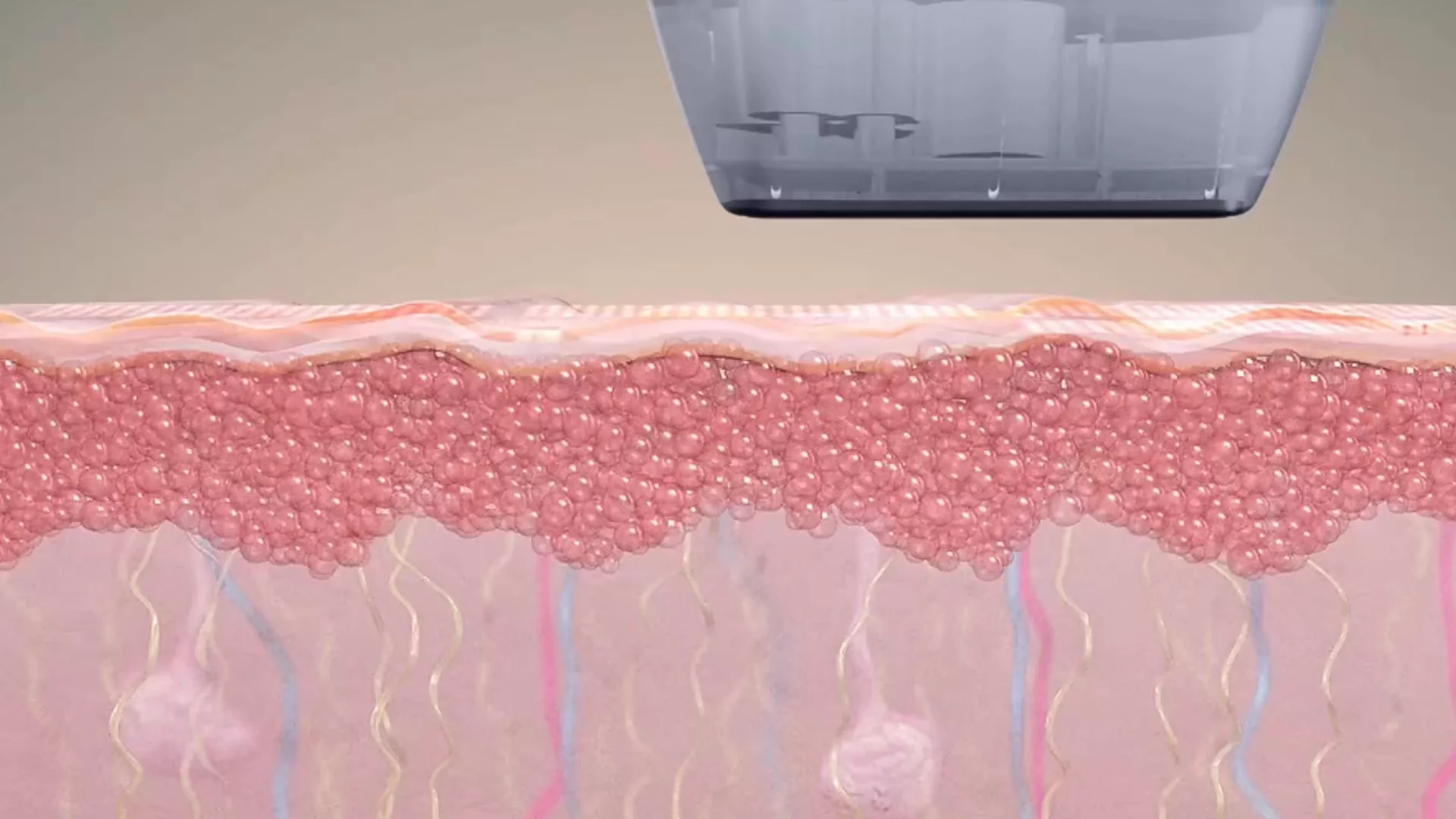
RF microneedling is generally well tolerated. Most people describe it as heat with a light prickling sensation rather than sharp pain, helped by a numbing cream applied beforehand. Comfort varies with the area treated, the depth and the device. Pain is not inherent to the treatment; it largely reflects how the energy is delivered, which is why a platform such as POTENZA, with smooth needle insertion and energy that adjusts to the skin, is designed around a more comfortable experience.
What it actually feels like
After numbing cream has taken effect, the sensation during treatment is usually a combination of warmth from the radiofrequency energy and a faint prickle or pressure as the needles work. Bonier and thinner-skinned areas, such as the forehead, around the eyes and along the jaw, tend to feel more than fleshier areas like the cheeks. You may notice a brief “snap” sensation as energy is delivered. None of this should be sharp or distressing; tell your practitioner if it is, because settings can be adjusted.
Disclaimer: This article is intended for general information and education only. It is not medical advice and does not replace a consultation with a qualified, licensed medical or aesthetic practitioner. Treatment suitability, settings and outcomes vary between individuals, so always seek a professional assessment before deciding on any aesthetic procedure. POTENZA is a registered trademark of Jeisys Medical Inc. and is a CE-marked device intended for use in dermatologic and electronic surgical procedures for electrocoagulation and hemostasis.
What reduces the discomfort
Several things make the treatment more comfortable, and most are within the clinic’s control.
- Numbing cream. A topical numbing cream is applied around 20 to 30 minutes before treatment and takes the edge off the needle sensation.
- Smooth needle insertion. A high-speed, motorised insertion enters and exits the skin cleanly. This feels better than manual or slower mechanisms that can drag or stutter.
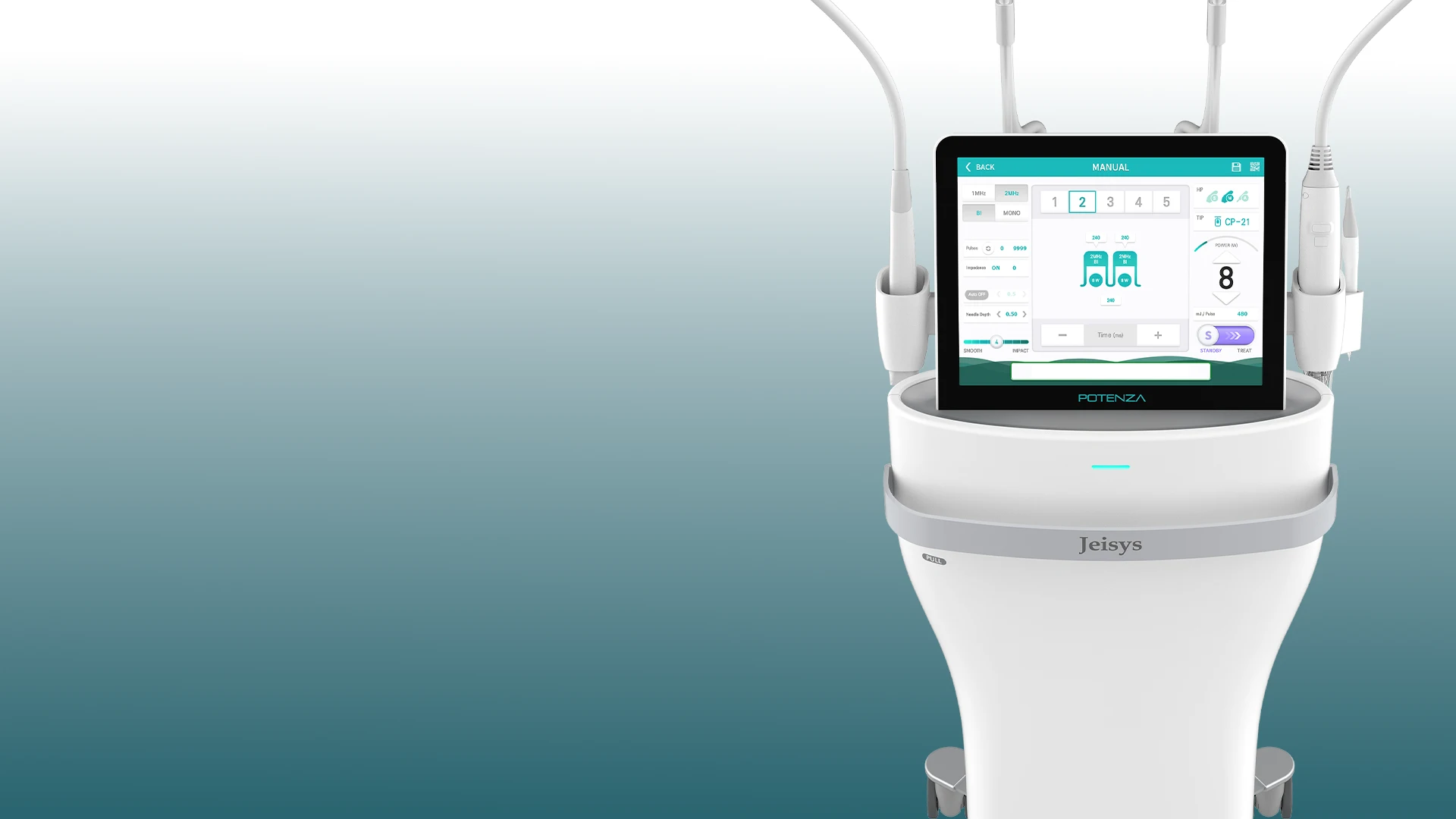
- Energy matched to the skin. Fixed, one-size energy can feel harsh on sensitive areas. POTENZA’s real-time impedance monitoring adjusts the energy as it reads the skin, which supports comfort as well as consistency.
- A practitioner who paces the treatment. Working methodically, checking in, and adjusting settings for sensitive zones all make a noticeable difference.
There is also a biological angle: radiofrequency has been studied for its effect on the nerve pathways involved in burning and stinging sensations, which may contribute to how the treatment is perceived. Comfort, in other words, is partly technique and partly how the skin responds.

After the treatment
Once the session ends, the needle sensation stops quickly. What remains is a warm, tight, mild-sunburn feeling for the first 24 to 48 hours, which is easily managed and not generally described as painful. A cool compress with a cloth barrier helps if the skin feels hot. If you have lingering soreness beyond the first couple of days, contact your practitioner.
Managing anxiety about pain
If nervousness about discomfort is holding you back, raise it at the consultation. A good practitioner will explain the numbing process, start conservatively, and let you set the pace. Knowing you can ask them to pause or adjust at any point makes the experience far easier, and most people find the reality much milder than they feared.

A note from the Jeisys Europe Team
The phrase we keep coming back to is that pain is not a measure of how well a treatment is working. Aggressive, uncomfortable energy is not a sign of a better result, it is usually a sign of energy that is not well controlled. POTENZA was designed so that high clinical intensity and a comfortable experience are not a trade-off: smooth insertion, adjustable modes and real-time energy feedback let the practitioner reach the right depth without simply turning everything up. Comfort and results can, and should, go together.
Conclusion and next step
RF microneedling is uncomfortable rather than painful for most people, and how it feels depends heavily on numbing, technique and how well the energy is controlled. To understand the control that underpins a more comfortable treatment, read about how POTENZA works.
Frequently asked questions on RF Microneedling in 2026
For most people it is uncomfortable rather than painful, felt as heat with a light prickle. Numbing cream is applied first, and the discomfort is usually mild and brief. Tell your practitioner if anything feels sharp, as settings can be adjusted.
Yes. A topical numbing cream applied 20 to 30 minutes beforehand significantly reduces the needle sensation. The warmth from the radiofrequency energy may still be noticeable, but it is generally well tolerated.
Bonier, thinner-skinned areas such as the forehead, around the eyes and the jawline tend to feel more than fleshier areas like the cheeks. Practitioners often adjust settings for these more sensitive zones.
The added heat makes it a little more noticeable, but with numbing and good technique most people tolerate it well. On POTENZA, smooth insertion and skin-matched energy are designed to keep it comfortable.
The needle sensation stops when the session ends. Afterwards the skin feels warm and tight like mild sunburn for a day or two, which is easily managed and not generally described as painful.