Is RF Microneedling Worth It? An Honest Look
- Articles
Whether RF microneedling is worth it depends on what you want to change, what you are comparing it with, and how realistic your expectations are. For the right concern and the right person, most find it good value. For others, a lighter or more intensive option fits better. This guide weighs both sides honestly.
Is RF microneedling worth it?
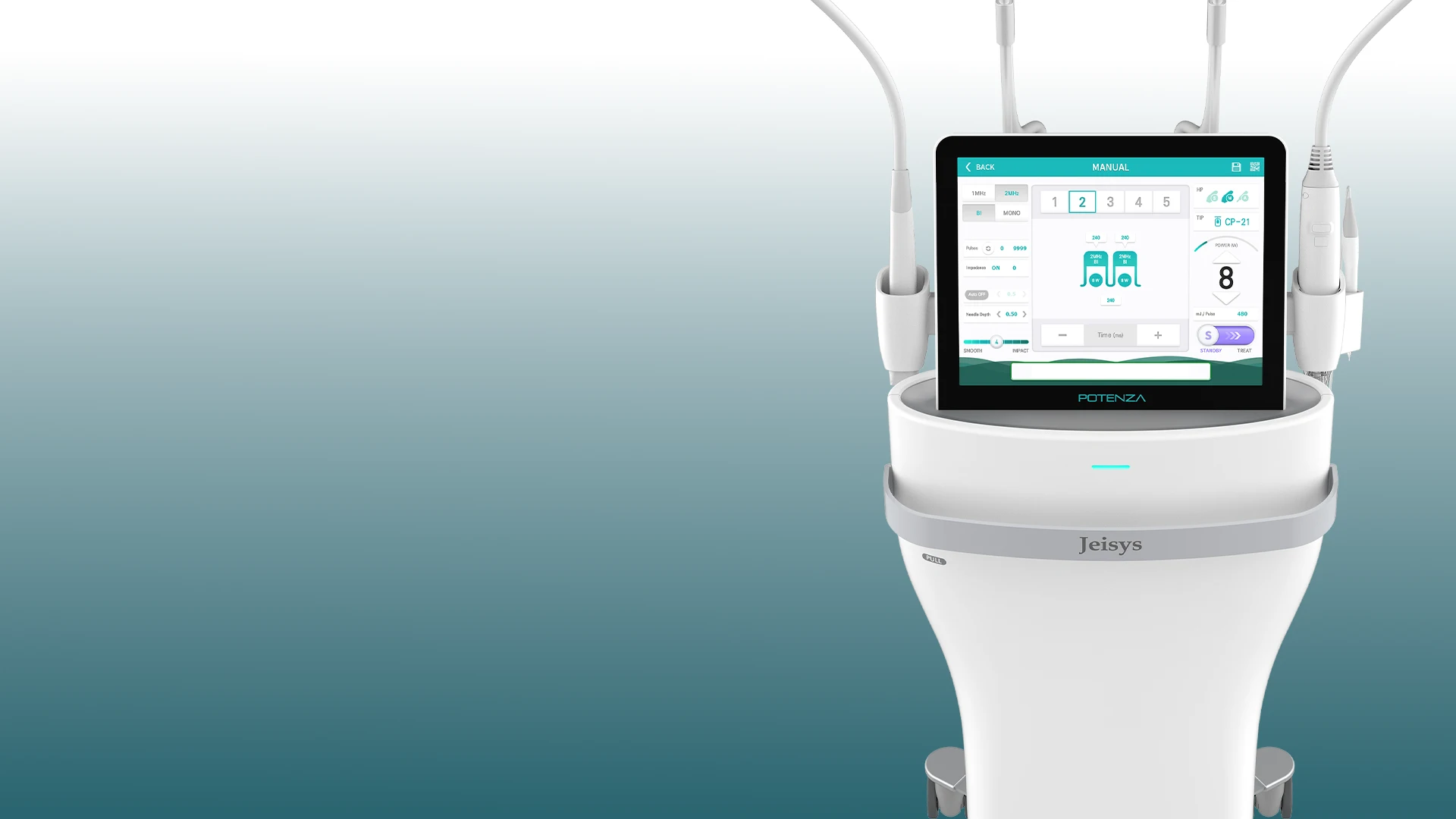
RF microneedling is generally considered worth it for people wanting to improve skin texture, mild laxity, acne scarring or stretch marks without surgery, and willing to commit to a short course. Its appeal is breadth: one treatment addresses several concerns with little downtime. It is less worthwhile if you expect a facelift-level result or a single-session fix. A platform like POTENZA, with adjustable settings, helps match the treatment to your goals, which is central to whether it feels worth it.
Disclaimer: This article is intended for general information and education only. It is not medical advice and does not replace a consultation with a qualified, licensed medical or aesthetic practitioner. Treatment suitability, settings and outcomes vary between individuals, so always seek a professional assessment before deciding on any aesthetic procedure. POTENZA is a registered trademark of Jeisys Medical Inc. and is a CE-marked device intended for use in dermatologic and electronic surgical procedures for electrocoagulation and hemostasis.
The case for it
It does several jobs at once. Rather than booking separate treatments for texture, firmness and scarring, RF microneedling addresses them together, which can make it efficient value across a course.
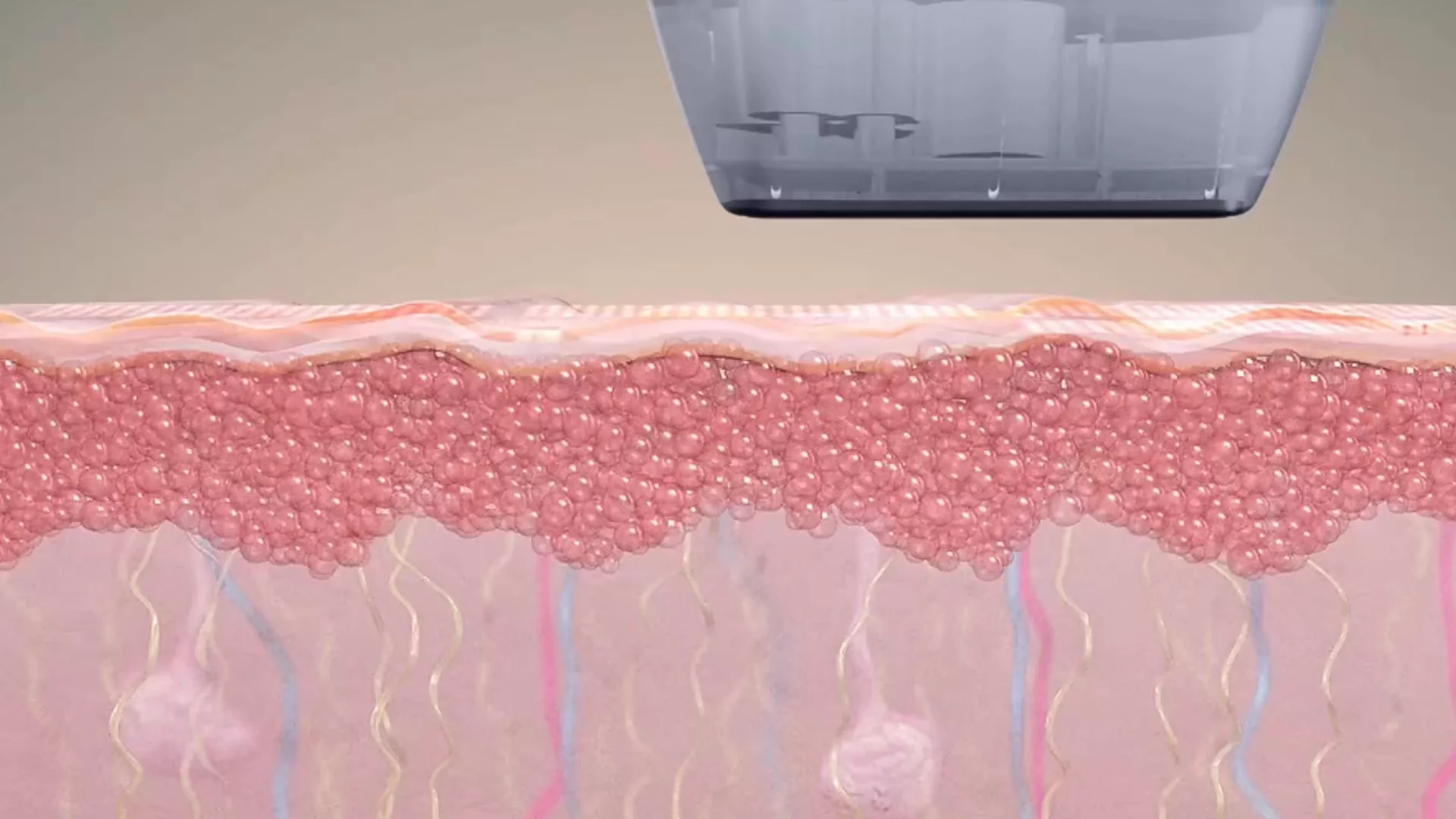
It builds your own collagen. The result looks natural because it comes from your skin’s own repair, not added volume, and it lasts well, typically 12 to 18 months with maintenance.
The downtime is short. One to three days of social downtime makes it practical for people who cannot take time off, which adds to its real-world value.
It suits all skin types. Because the energy works below the surface, it is generally suitable across all Fitzpatrick skin types, widening who can benefit.
The manufacturer reports a 91% RealSelf “Worth It” rating for POTENZA as of January 2026, alongside up to 60% improvement in texture, wrinkles and laxity after one to three sessions, drawn from a white paper by Dr Christine Dierickx. These are useful signals, though your own result depends on your skin and your practitioner.
The case for thinking twice
It is not a facelift. For significant sagging, the result may underwhelm, and a more intensive or surgical option could be better value. An honest practitioner will tell you this.
Results take time. The firming builds over three to six months. If you want an immediate change for a specific date, the timing may not suit.
It needs a course and maintenance. The best results come from a course, with maintenance every 6 to 12 months, so it is an ongoing cost rather than one payment.
Quality varies. The result depends heavily on the device and the practitioner’s settings. A cheap treatment on a basic device in inexperienced hands can be poor value even at a low price.
Who tends to find it worth it
People with early to moderate laxity, acne scarring, stretch marks, enlarged pores or uneven texture, who want a non-surgical option with minimal downtime and realistic expectations, tend to be the most satisfied. People hoping to avoid surgery for moderate concerns, or wanting one versatile treatment rather than several, also fit well.
How to judge value for yourself
Look past the single-session price. Ask what course your goals actually need, what maintenance will cost over time, what device and tips the clinic uses, and how experienced the practitioner is with your specific concern. Value is the result across the whole plan, weighed against the alternatives, not the headline figure. A consultation, ideally one that is honest about what the treatment will and will not do, is the best way to decide.
Normal reactions versus warning signs
Knowing what is expected makes the recovery less worrying.
Expected and normal: redness that looks like mild sunburn for 24 to 48 hours, mild swelling, a warm or tingling feeling, and possibly pinpoint bleeding on the day of an invasive treatment. These settle within a couple of days.
Worth contacting your practitioner about: spreading redness or heat after the first few days, signs of infection such as pus or increasing pain, blistering, or any reaction that is getting worse rather than better. Genuine complications are uncommon, but prompt advice is sensible if something does not look right.
How settings affect safety
Most adverse events come down to parameter choice rather than the device itself. Energy that is too high, too many passes over the same area, or a needle speed that does not match the tissue can cause prolonged redness, marks or, rarely, scarring. The safe approach is to start conservatively and build based on how the skin responds, and to stop at a uniform pink flush rather than pushing for aggressive redness. For darker skin types, more measured settings keep the small risk of post-inflammatory pigment change low.
A note from the Jeisys Europe Team
Our honest view is that RF microneedling is worth it when the concern matches what the treatment does well, and disappointing when it is asked to do something it was never going to, like replace surgery. The most satisfied patients are the ones who went in with clear expectations and a practitioner who set them. The reason POTENZA is built to be customisable is precisely so the treatment can be matched to the goal, which is what turns a treatment into value rather than expense.
Conclusion and next step
RF microneedling is worth it for texture, mild laxity, scarring and stretch marks in people with realistic expectations and a willingness to complete a course, and less so for those expecting surgical results overnight. To weigh it against your own goals, view proven results with POTENZA.
Frequently asked questions on RF Microneedling in 2026
For the right concerns, texture, mild laxity, scarring and stretch marks, many people find it good value because it does several jobs in one treatment with little downtime. It is less worthwhile if you expect a facelift-level result or an instant fix.
It can soften fine lines and improve skin quality by building collagen, which many find worthwhile. For deep, set wrinkles or significant sagging, it may be better combined with other approaches, which a practitioner can advise on.
Usually because expectations did not match what the treatment does, results were judged too early, or the device and settings were not up to the job. Realistic expectations and an experienced practitioner make a large difference.
For deeper concerns like laxity and scarring, RF microneedling generally offers better value because it treats the structural layer too. For surface texture alone, traditional microneedling may be enough.
Have a consultation that honestly covers what the treatment will and will not achieve for your concern, the course and maintenance involved, and the device and practitioner experience. Judge value across the whole plan, not the single-session price.