RF Microneedling Before and After: What Results to Expect
- Articles
Before-and-after photographs are the first thing most people look for when researching RF microneedling, but they only tell part of the story. The useful question is what changes, when it shows, and how realistic the photos you are looking at really are. This guide explains the timeline behind the images.
What does RF microneedling look like before and after?
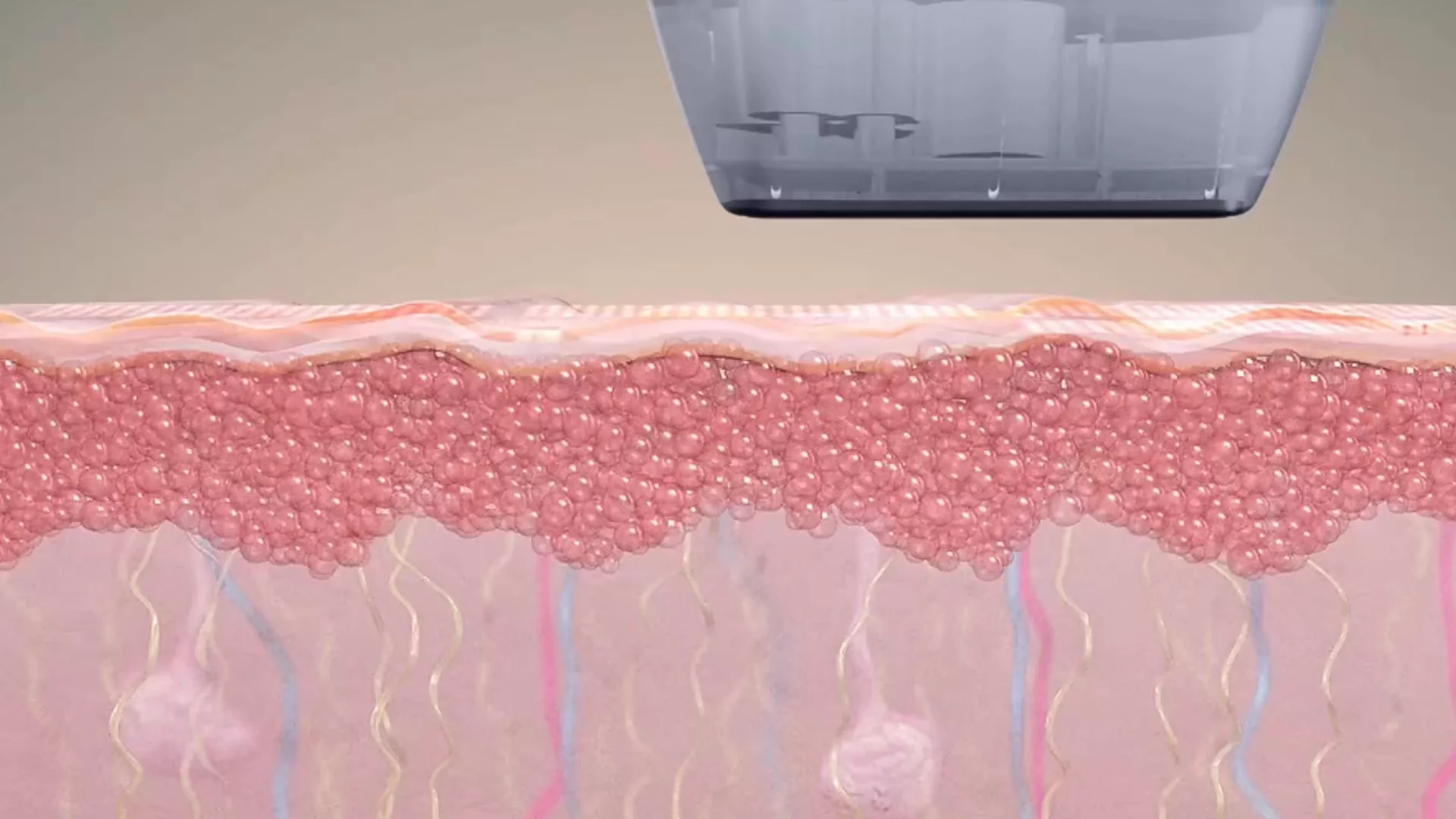
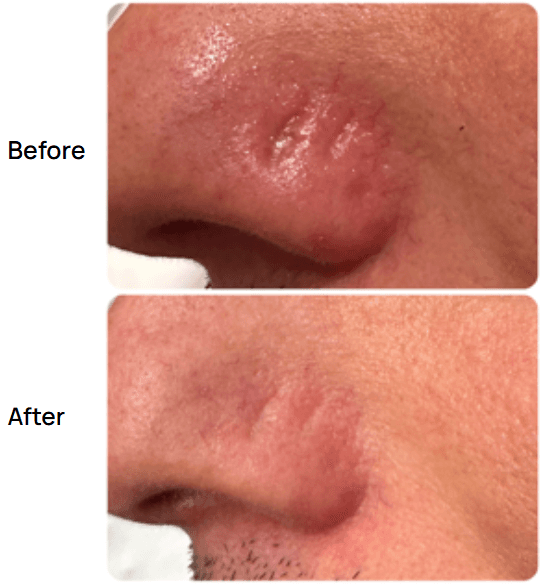
In before-and-after comparisons, RF microneedling typically shows smoother texture, softer fine lines, refined pores and firmer-looking skin, with improvement to acne scarring or stretch marks where those were treated. The changes are usually gradual and look natural because they come from new collagen rather than added volume. Photographs taken a few months apart show more than day-to-day ones, since the firming from a platform like POTENZA continues developing for three to six months.
Disclaimer: This article is intended for general information and education only. It is not medical advice and does not replace a consultation with a qualified, licensed medical or aesthetic practitioner. Treatment suitability, settings and outcomes vary between individuals, so always seek a professional assessment before deciding on any aesthetic procedure. POTENZA is a registered trademark of Jeisys Medical Inc. and is a CE-marked device intended for use in dermatologic and electronic surgical procedures for electrocoagulation and hemostasis.
What changes you can reasonably expect
Results vary with the concern, the skin and the number of sessions, but the changes people most often see include:
- Smoother, more even texture
- Softer fine lines
- Refined, less noticeable pores
- Firmer skin along the jaw, cheeks and neck for early to moderate laxity
- Improvement in the appearance of acne scarring
- Improvement in the appearance of stretch marks on the body
The manufacturer reports up to 60% improvement in texture, wrinkles and laxity after one to three sessions, a figure drawn from a white paper by Dr Christine Dierickx, alongside a 91% RealSelf “Worth It” rating as of January 2026.
The realistic timeline behind the photos
A single dramatic “after” photo rarely captures how the result actually arrives. It comes in stages.
The first few days. | Immediately after treatment the skin looks flushed, a little swollen and warm, similar to mild sunburn. This is the expected reaction, not the result, and it settles within 24 to 48 hours. Any honest "day one" photo will show redness. |
Two to four weeks. | As the skin completes its initial repair, texture and tone start to look fresher and more even. This is the first point at which a meaningful "after" photo makes sense. |
Three to six months. | The bigger change develops here. The controlled heat stimulates new collagen, and firmness, fine lines and scarring continue to improve over this window. The most informative before-and-after sets are taken across this period rather than within the first fortnight. |
After a course. | Most concerns respond best to a short course, usually around three sessions four to six weeks apart. Comparisons taken after a completed course, several weeks past the final session, show the fullest picture. |
How to read before-and-after photos critically
Photographs are easy to flatter, so a few checks help. Look for consistent lighting, angle and expression between the two images, since a change in any of these can exaggerate or hide a result. Check how long after treatment the “after” was taken, because a photo at three months should look different from one at two weeks. Be wary of images with no timeframe, no mention of how many sessions, and no “results may vary” note. Reputable clinical photos, like those used in POTENZA’s own materials, are properly consented and captioned with the protocol used.
What before-and-after photos cannot show
Photos cannot show how comfortable the treatment was, how a particular practitioner chose the settings, or whether the same result is realistic for your skin and concern. Two people with the same starting point can need different numbers of sessions. This is why a consultation, where a practitioner assesses your skin in person, tells you more than any gallery.
A note from the Jeisys Europe Team
The before-and-after images worth trusting are the unglamorous ones: consistent lighting, a stated protocol, and a realistic timeframe. Good results from RF microneedling tend to look like better skin rather than a sudden transformation, because they are built from the skin’s own collagen over months. POTENZA’s adjustable settings and energy feedback are aimed at that kind of controlled, natural-looking change rather than a one-off dramatic effect.

Conclusion and next step
RF microneedling before-and-after results show gradual improvement in texture, firmness and scarring that builds over three to six months, which is why the most honest photos span that window rather than the first few days. To view consented clinical outcomes, see proven results with POTENZA.
Frequently asked questions on RF Microneedling in 2026
Texture and tone often look fresher within two to four weeks, while the firming from new collagen develops over three to six months. The full before-and-after difference is best judged a few months after a completed course.
Some change can show after a single session, but most concerns respond best to a course of around three sessions four to six weeks apart. Before-and-after sets taken after a full course show the clearest result.
The redness, swelling and warmth in the first day or two are the normal healing reaction, not the result. They settle within 24 to 48 hours, after which the improvement begins to show.
Results typically last 12 to 18 months depending on age, skin and lifestyle, with maintenance every 6 to 12 months to sustain them as natural ageing continues.