
RF Microneedling for Melasma and Pigmentation: A Careful Look
- Articles
Pigmentation is one of the most complex concerns in aesthetics, and melasma in particular is notoriously difficult and prone to relapse. RF microneedling is being studied in this area, but it must be approached with real caution. This guide explains what the evidence suggests and why an experienced, conservative approach is essential.
Can RF microneedling help with pigmentation and melasma?
There is emerging evidence that radiofrequency may influence some of the processes behind pigmentation, and RF microneedling is sometimes used as part of a wider plan for pigmentation and melasma. However, melasma is a chronic, relapsing condition that can worsen if treated too aggressively, so any energy-based approach must be conservative and led by an experienced practitioner. RF microneedling is not a standalone cure, and it is one option to discuss carefully, not a guaranteed solution.
Why pigmentation, and melasma especially, is so difficult
Pigmentation problems come from overactive pigment-producing cells, but the triggers vary: sun exposure, hormones, inflammation and heat can all play a part. Melasma is the hardest of these because it is driven partly by hormones and is highly sensitive to heat and light, which means treatments that involve heat carry a genuine risk of making it worse rather than better. This is why melasma is approached so cautiously across all energy-based treatments, and why aggressive settings are the wrong approach.
Disclaimer: This article is intended for general information and education only. It is not medical advice and does not replace a consultation with a qualified, licensed medical or aesthetic practitioner. Treatment suitability, settings and outcomes vary between individuals, so always seek a professional assessment before deciding on any aesthetic procedure. POTENZA is a registered trademark of Jeisys Medical Inc. and is a CE-marked device intended for use in dermatologic and electronic surgical procedures for electrocoagulation and hemostasis.
What the evidence suggests
Laboratory and early research has explored how radiofrequency may affect pigment-related pathways, including studies suggesting it can influence the processes that drive pigmentation. This is promising but mostly mechanistic and early-stage, rather than proof of a reliable clinical cure. In practice, RF microneedling is more often considered as a careful adjunct within a broader pigmentation plan that also includes strict sun protection and topical treatments, rather than as a primary melasma treatment on its own.
The most important point is balance: because heat can both potentially help and potentially worsen pigmentation depending on how it is applied, the approach has to be conservative, individualised and managed by someone experienced with pigmented and melasma-prone skin.
Why the practitioner matters more here than anywhere
For pigmentation, and melasma above all, the experience of the practitioner is decisive. Conservative energy, careful patient selection, and an honest discussion of the risk of relapse or worsening are essential. Treating melasma like ordinary pigmentation, or pushing energy to chase a faster result, is how things go wrong. A good practitioner will often start very conservatively, may patch test, and will combine treatment with rigorous sun protection, because uncontrolled sun exposure undoes any progress and can trigger relapse.
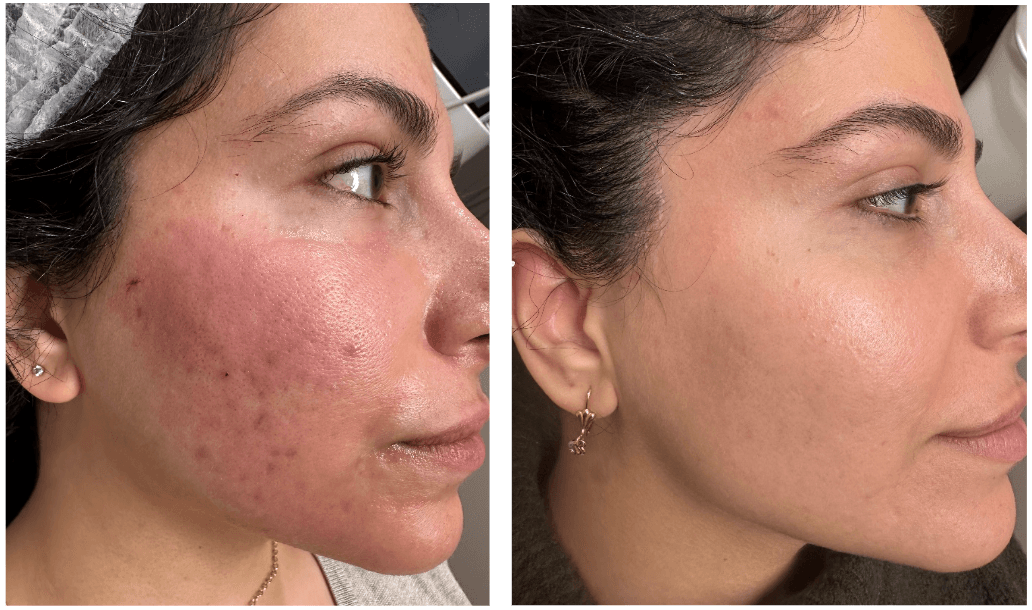
Realistic expectations
Anyone considering RF microneedling for pigmentation should expect a cautious, gradual, managed process rather than a quick fix. Melasma in particular is managed rather than cured, and flare-ups are common regardless of treatment. The realistic aim is careful improvement and control as part of a wider plan, with the understanding that maintenance and sun protection are lifelong. If a clinic promises to clear melasma quickly with an energy device, treat that as a warning sign.
A note from the Jeisys Europe Team
We are deliberately cautious on this topic. Pigmentation is complex and melasma is genuinely difficult, and the honest position is that RF microneedling is an area of ongoing study and careful clinical use, not a guaranteed answer. The reason control matters so much here is that the same heat can help or harm depending on how it is delivered, which is exactly why conservative, adjustable energy and an experienced practitioner are non-negotiable. Strict daily sun protection does more for pigmentation than any single treatment.
Conclusion and next step
RF microneedling is being studied for pigmentation and is sometimes used cautiously within a wider melasma plan, but melasma can worsen with aggressive treatment, so an experienced, conservative approach and strict sun protection are essential. To understand the energy control that makes a careful approach possible, read about the technology behind POTENZA.
Frequently asked Questions about RF Microneedling for Melasma and Pigmentation
It is sometimes used cautiously as part of a wider melasma plan, but melasma is a chronic, relapsing condition that can worsen with aggressive heat-based treatment. It is not a standalone cure, and an experienced, conservative approach is essential.
It can be, in experienced hands using conservative settings, because the energy works below the surface. But pigmentation and especially melasma carry a real risk of worsening if treated too aggressively, so careful patient selection matters.
It may help the appearance of some pigmentation as part of a broader plan, but results are not guaranteed and depend on the cause. A practitioner experienced with pigmented skin should assess the type of pigmentation first.
It can, if treated too aggressively, because melasma is heat- and light-sensitive. This is why conservative settings, an experienced practitioner and strict sun protection are critical, and why expectations must be realistic.
Melasma is managed rather than cured, with strict daily sun protection and topical treatments at the core. Any energy-based treatment should be a carefully managed adjunct, not the main strategy, and should be discussed in detail with an experienced practitioner.