
RF Microneedling for Rosacea | Jeisys Medical Inc
- Articles
Rosacea and facial redness are persistent, easily aggravated concerns, and people are right to be cautious about any heat-based treatment. There is emerging research into radiofrequency for the inflammatory side of rosacea, but it is early, and treatment must be careful and managed. This guide explains the current picture honestly.
Can RF microneedling help rosacea and redness?
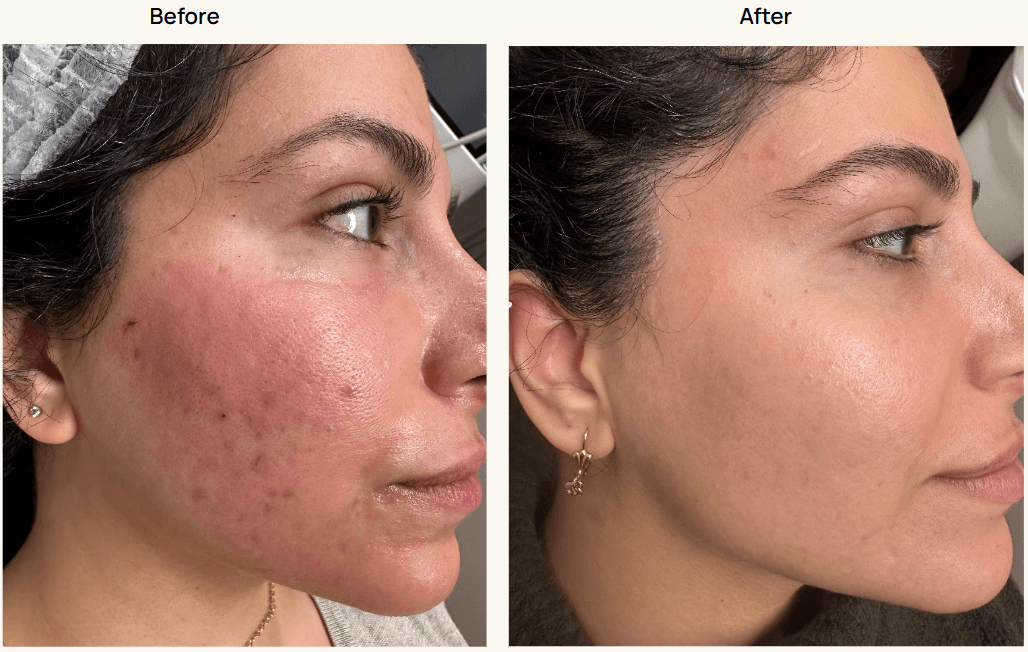
Early research suggests radiofrequency may influence some of the inflammation and blood-vessel activity involved in rosacea, and RF microneedling is being explored as part of a managed approach. However, rosacea is a chronic, easily triggered condition, and heat can aggravate it, so any treatment must be conservative and led by a practitioner experienced with rosacea. RF microneedling is not a cure, and it is not suitable during a flare-up. It is one option to discuss carefully, not a guaranteed fix.
Understanding rosacea
Rosacea is a long-term condition that causes facial redness, visible blood vessels, flushing and sometimes bumps. It is driven by a mix of inflammation, overactive blood vessels and sensitivity to triggers such as heat, sun, alcohol, stress and spicy food. Because heat is itself a common trigger, the idea of a heat-based treatment understandably raises questions, and it is exactly why caution and an experienced practitioner are so important here.
Disclaimer: This article is intended for general information and education only. It is not medical advice and does not replace a consultation with a qualified, licensed medical or aesthetic practitioner. Treatment suitability, settings and outcomes vary between individuals, so always seek a professional assessment before deciding on any aesthetic procedure. POTENZA is a registered trademark of Jeisys Medical Inc. and is a CE-marked device intended for use in dermatologic and electronic surgical procedures for electrocoagulation and hemostasis.
What the evidence suggests
Laboratory and early research has looked at how radiofrequency may affect the inflammation and blood-vessel changes seen in rosacea, including studies suggesting it can reduce some inflammatory and angiogenic activity, and others exploring its effect on the nerve pathways linked to the burning sensation rosacea can cause. This is genuinely interesting, but it is early-stage and largely mechanistic, not yet proof of a reliable clinical treatment. In practice, RF microneedling for rosacea is best thought of as an emerging, carefully managed option within a broader plan, rather than an established standalone treatment.
Why caution is essential
Rosacea is reactive, so the wrong approach can make it worse. A few principles apply:
- Never treat during a flare. Active inflammation in the area is a reason to wait.
- Conservative settings only. Aggressive energy risks aggravating sensitive, reactive skin.
- Experienced hands. A practitioner familiar with rosacea will recognise the subtypes and judge whether treatment is appropriate at all.
- Trigger management alongside. Identifying and avoiding personal triggers, and protecting against the sun, does more for rosacea than any single treatment.
If a clinic offers to treat active rosacea aggressively with an energy device, that is a warning sign rather than a reassurance.
Realistic expectations
Rosacea is managed, not cured, by any treatment. Anyone considering RF microneedling for redness should expect a cautious, gradual and individualised process, with realistic aims around reducing the appearance and frequency of redness as part of a wider plan. Flare-ups can still happen, and ongoing management is part of living with the condition. Honest expectations and a careful practitioner are the foundation of a safe approach.
A note from the Jeisys Europe Team
Body treatment is genuinely useful for the right concern: crepey skin and texture respond well, and stretch marks improve. The mistake to avoid is expecting it to do a body-contouring job it was never meant for. RF microneedling firms and refines skin, it does not remove fat or melt cellulite. The advantage of a platform like POTENZA on the body is the depth and energy range needed for thicker skin, used by a practitioner who sets honest expectations about what skin-quality improvement looks like.
Conclusion and next step
Early research suggests radiofrequency may influence the inflammation behind rosacea, and RF microneedling is being explored cautiously, but rosacea is heat-sensitive and easily aggravated, so a conservative, experienced approach is essential and it is never treated during a flare. To understand the energy control behind a careful approach, read about the technology behind POTENZA.
Frequently asked questions on RF Microneedling for Rosacea and Redness
No. Rosacea is a chronic condition that is managed, not cured, by any treatment. Early research is exploring radiofrequency for the inflammation involved, but RF microneedling is an emerging, carefully managed option rather than a cure.
It can be considered cautiously for some people in experienced hands, but rosacea is heat-sensitive and easily aggravated. It should never be done during a flare, and conservative settings and careful patient selection are essential.
There is early evidence that radiofrequency may influence the blood-vessel and inflammatory activity behind redness, but results are not guaranteed. It is best approached as part of a managed plan with an experienced practitioner.
Identifying and avoiding personal triggers such as heat, sun, alcohol and stress, using gentle skincare, and daily sun protection are the backbone of managing rosacea. Any treatment should sit within that wider plan, guided by a practitioner.