
RF Microneedling Machines | Jeisys Medical Inc
- Articles
Not all RF microneedling machines are the same, and the device makes a real difference to comfort, safety and results. Whether you are a patient choosing a clinic or a practitioner choosing a platform, knowing what separates a capable system from a basic one is worth the time. This guide sets out what matters.
What makes a good RF microneedling machine?
A good RF microneedling machine offers control: adjustable depth, more than one energy mode, a range of needle tips, and ideally feedback that adjusts energy to the skin in real time. These features let a practitioner match the treatment to the concern and skin type rather than applying a fixed setting. POTENZA is built around this principle, with dual energy modes, 14 tips and real-time impedance monitoring. The device matters because, with energy-based treatment, control drives both safety and results.
Why the device matters more than people think
With RF microneedling, the outcome depends heavily on delivering the right energy to the right depth for each area of skin. A basic device with one fixed mode and limited depth forces a one-size approach, which limits what it can treat well and reduces the margin for adjusting to sensitive areas or different skin types. A more capable platform lets the practitioner work precisely, which is why two treatments marketed under the same name can give very different results depending on the machine behind them.
Disclaimer: This article is intended for general information and education only. It is not medical advice and does not replace a consultation with a qualified, licensed medical or aesthetic practitioner. Treatment suitability, settings and outcomes vary between individuals, so always seek a professional assessment before deciding on any aesthetic procedure. POTENZA is a registered trademark of Jeisys Medical Inc. and is a CE-marked device intended for use in dermatologic and electronic surgical procedures for electrocoagulation and hemostasis.
The features that separate good from basic
Adjustable depth. The ability to set needle depth across a wide range, commonly from around a quarter of a millimetre to four millimetres, lets the energy sit in the right layer for the concern, shallow for surface texture, deeper for laxity and scarring.
More than one energy mode. Monopolar energy heats more deeply and volumetrically; Bipolar energy stays more superficial and precise. A device offering both can address structure and surface, whereas a single-mode device is more limited.
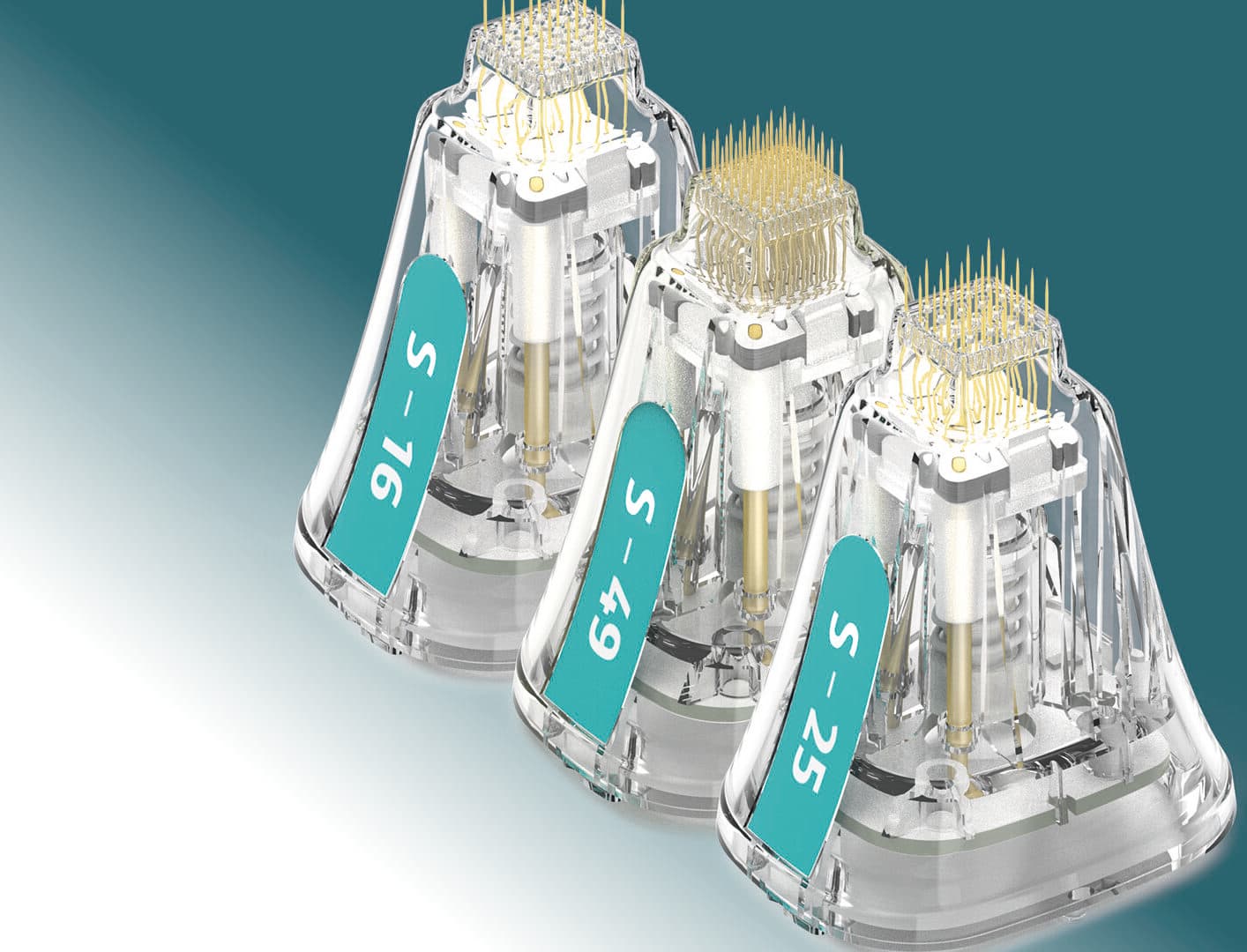
A range of tips. Different concerns need different needle configurations and densities, plus specialised options such as topical-delivery tips and non-invasive tips. A broad tip range means one device can treat many concerns. POTENZA offers 14 tips for this reason.
Real-time feedback. Skin resistance varies across the face and between patients. A device that measures this and adjusts energy as it treats, such as POTENZA’s real-time impedance monitoring, helps keep the dose consistent and safe.
Quality of needle delivery. Smooth, motorised needle insertion enters and exits the skin cleanly, which improves comfort and reduces the micro-tearing that prolongs redness. Insulated, well-coated needles deliver energy where intended and protect the surface.
Questions worth asking
If you are a patient, it is reasonable to ask a clinic which device they use, whether it offers adjustable depth and modes, and how they tailor settings to your skin. If you are a practitioner, the questions extend to tip range, energy feedback, training and support, and the regulatory status of the device. A clinic confident in its platform will be happy to answer.
A note from the Jeisys Europe Team
The point we keep returning to is that control, not raw power, is what makes an RF microneedling device good. The features that matter, adjustable depth, dual modes, a wide tip range and real-time feedback, all exist to let the practitioner match the treatment to the skin in front of them. That is the philosophy behind POTENZA, and it is why the device is positioned around versatility and precision rather than a single fixed setting. The best machine is the one that gives the practitioner the most appropriate control for your concern.
Conclusion and next step
A good RF microneedling machine is defined by control: adjustable depth, more than one energy mode, a wide tip range and real-time energy feedback, all of which let the treatment be matched to the skin. To see how these features come together in one platform, read about the technology behind POTENZA.
Frequently asked questions on RF Microneedling Machines
Look for adjustable depth, more than one energy mode, a range of needle tips, and ideally real-time energy feedback. These features let the treatment be matched to your concern and skin type rather than fixed.
No. They vary widely in depth range, energy modes, tip options and feedback. A more capable device gives the practitioner more control, which affects comfort, safety and results.
Because results depend on delivering the right energy to the right depth for each area. A device with more control lets the practitioner work precisely, while a basic, fixed-setting device is more limited in what it can treat well.
POTENZA offers both Monopolar and Bipolar modes, 14 tips, adjustable depth and real-time impedance monitoring that adjusts energy to the skin. This combination is designed for versatility and precise, consistent treatment.
Yes. It is reasonable to ask about the device, its depth and modes, and how settings are tailored to your skin. A clinic confident in its platform will be happy to explain.