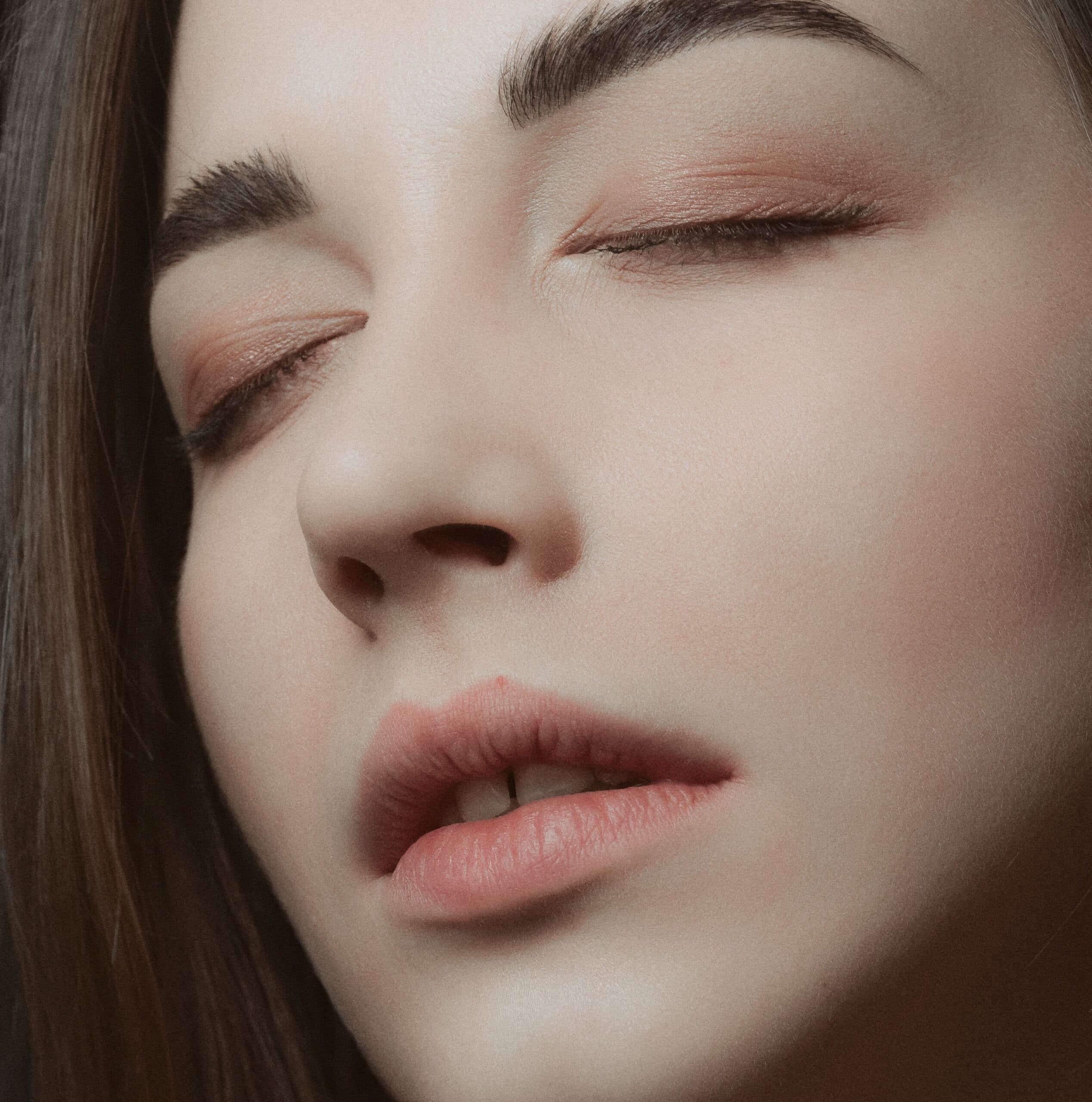
RF Microneedling Under the Eyes: What You Need to Know
- Articles
The under-eye area is delicate, and people are understandably cautious about treating it. RF microneedling can help with crepey texture and fine lines around the eyes when done carefully, but it is not a fix for every under-eye concern. This guide explains what it can address and the precision the area demands.
Does RF microneedling work under the eyes?
RF microneedling can improve crepey texture, fine lines and mild laxity in the wider under-eye and outer-eye area by stimulating collagen. It does not remove dark circles caused by pigment or blood vessels, nor under-eye bags caused by fat, which need different approaches. The area is delicate, so conservative, precise settings are essential, which is where a controlled platform like POTENZA and the use of insulated precision tips matter.
Why the under-eye area is challenging
The skin under the eyes is the thinnest on the face and sits over a mobile, sensitive area. That thinness is exactly why it shows fine lines and crepey texture early, and it is also why treatment has to be conservative. There is little margin for overly aggressive energy, so depth and intensity are kept careful and precise. The structure beneath, including fat pads and blood vessels, means that not every under-eye concern is a skin-quality issue, which affects whether RF microneedling is the right tool.
Disclaimer: This article is intended for general information and education only. It is not medical advice and does not replace a consultation with a qualified, licensed medical or aesthetic practitioner. Treatment suitability, settings and outcomes vary between individuals, so always seek a professional assessment before deciding on any aesthetic procedure. POTENZA is a registered trademark of Jeisys Medical Inc. and is a CE-marked device intended for use in dermatologic and electronic surgical procedures for electrocoagulation and hemostasis.
What RF microneedling can and cannot address
It can help with:
- Fine lines and crepey texture in the wider eye area
- Mild laxity and a loss of firmness in the skin around the eyes
- Overall skin quality in the outer-eye and upper-cheek region
It is not the right treatment for:
- Dark circles caused by pigment or visible blood vessels, which need targeted approaches
- Under-eye bags caused by fat, which are a structural issue
- Significant hollowing, which is about volume rather than skin quality
A practitioner will assess what is actually causing your under-eye concern before recommending treatment, because the right answer is sometimes a different procedure altogether.
How it is done safely
Precision is everything here. Insulated needles, which release energy only at the tip, allow controlled treatment of the deeper skin while sparing the surface, and the depth is set carefully for the thin under-eye skin. Real-time energy feedback helps keep the dose consistent and appropriate. The practitioner works conservatively, often at lower settings than elsewhere on the face, and may treat the wider area around the eye rather than right up to the lash line. This careful approach is why choosing an experienced practitioner and a controlled device matters so much for this area.

Results and timeline
Improvement is gradual and usually subtle, in keeping with the delicate area. Texture and fine lines soften over the weeks and months following a course of around three sessions, four to six weeks apart, as new collagen forms. Expectations should be modest and realistic: smoother, firmer skin and softer lines, rather than a dramatic change. Maintenance every 6 to 12 months helps sustain the result.
A note from the Jeisys Europe Team
The under-eye area is where the difference between a controlled and an uncontrolled treatment shows most clearly. Conservative, precise energy delivered through insulated tips is the safe way to improve crepey texture and fine lines here, and it is the opposite of an aggressive approach. The most important step, though, is an honest assessment, because dark circles and under-eye bags often need a different treatment entirely. POTENZA’s precision tips and energy control are suited to careful work in delicate areas, in experienced hands.
Conclusion and next step
RF microneedling can refine crepey texture and fine lines around the eyes with careful, precise treatment, though it does not address pigment-based dark circles or fatty under-eye bags. To understand the precision tips used for delicate areas, read about POTENZA tips.
Frequently asked questions on RF Microneedling Under the Eyes
Not usually. Dark circles caused by pigment or visible blood vessels need targeted treatments. RF microneedling helps with crepey texture, fine lines and mild laxity, so an honest assessment of the cause is important first.
Yes, when done conservatively by an experienced practitioner using precise, insulated tips and careful settings for the thin skin. The area demands caution, which is why the device and operator matter.
No. Under-eye bags are usually caused by fat and are a structural issue that needs a different approach. RF microneedling addresses skin quality, not fat, so a practitioner will advise on suitable options.
Usually around three sessions, four to six weeks apart, with gradual, subtle improvement over three to six months. Maintenance every 6 to 12 months helps sustain it.
The area is sensitive, but numbing cream is used and settings are kept conservative. Most people tolerate careful under-eye treatment well, and you should tell your practitioner if anything feels too intense.