Sequencing RF Microneedling with Injectables and Energy Devices
- Articles
In European aesthetic practice, RF microneedling is rarely the only thing a patient is having. It sits inside a plan that usually also involves botulinum toxin, hyaluronic acid fillers, biostimulators, topical actives and often another energy device. The clinical question is therefore not whether to combine, but in what order and with what interval.
Sequencing errors are a quietly common source of unpredictable outcomes and avoidable adverse events. They rarely present dramatically. They present as a result that underdelivers for no obvious reason, or as a complication attributed to the wrong modality because two were used close together. Intervals below are ranges reflecting current practice rather than fixed rules.
What This Article Does Not Cover
Topical actives delivered during the pass itself, including polynucleotides, exosomes and hyaluronic acid, are a different kind of combination: delivery is part of the treatment rather than a second procedure with an interval attached. That is covered in full in our article on RF microneedling and topicals, and is not repeated here.
What follows is restricted to procedures delivered separately from the RF pass, where the clinical question is genuinely one of order and interval: botulinum toxin, hyaluronic acid fillers, collagen biostimulators and other energy devices. What should be resisted throughout is stacking multiple thermal modalities into one session simply because the patient is in the chair.
Sequencing with Botulinum Toxin
Two concerns drive the interval. The first is diffusion: an RF pass through recently injected tissue introduces mechanical disruption and oedema into a field where the product is still distributing. The second is thermal, given that heat is applied to tissue containing a protein-based product.
Common practice is to allow toxin to take full effect before performing RF microneedling through the same field, which in most protocols means an interval of around two weeks rather than days. Where RF is delivered first, a shorter interval is often accepted once the acute post-treatment response has settled and the skin is intact, since the concern in that direction is injecting through recently treated skin. The intervals are not symmetrical.

Sequencing with Hyaluronic Acid Fillers
Plane matters. Deep supraperiosteal or subcutaneous placement is a considerable distance from the thermal zone of a dermal RF pass. Superficial dermal placement, including skin boosters and fine-line correction, sits much closer to it, and the interval should reflect that distance rather than a single number applied to every product.
Product characteristics matter. Crosslinking density, rheology and the manufacturer’s own guidance on heat exposure differ between products, and those instructions take precedence over any general rule.
Direction matters. Where filler is placed first, practice commonly allows several weeks for integration and for oedema to settle, with longer intervals where placement was superficial. Where RF is delivered first, injection is usually deferred until the treated skin has fully recovered. Where a patient has had filler previously and the plane and product are not documented, establish what was used before treating.
Sequencing with Collagen Biostimulators
Biostimulators work by provoking a controlled inflammatory and fibroblastic response over weeks to months. RF microneedling provokes its own. Delivering both to the same tissue at the same time makes the combined inflammatory load difficult to predict and, if something goes wrong, impossible to attribute.
Staged rather than same-day treatment is the usual approach, with sufficient interval to allow the response from the first modality to establish. Where both form part of a longer plan, mapping the whole course at consultation is more useful than deciding session by session, because the intervals determine the calendar rather than the other way round.

Sequencing with Lasers and Other Energy Devices
Stacking thermal modalities within a single session is where cumulative injury risk rises most sharply. Each delivers its own thermal load, and tissue that has already been heated responds differently. Impedance, hydration and barrier integrity are all altered by the first treatment, which means the second is delivered into conditions the operator has not assessed.
Separating them into different sessions with an adequate recovery interval is the more predictable approach, and it preserves the ability to attribute both results and complications. Our article comparing RF microneedling with lasers, HIFU and other energy treatments is a useful planning-stage reference. Non-thermal or minimally inflammatory adjuncts are a different proposition and should not be lumped in with a second energy treatment.
How to Use Intervals in Practice
The evidence base for combination sequencing is limited, product characteristics differ and national guidance varies. Three principles are more durable than any specific number:
- The manufacturer instructions for the co-administered product take precedence over any device protocol or general convention
- Where intervals are uncertain, the longer interval carries almost no clinical cost and the shorter one carries real risk.
- Sequence should be planned at consultation across the whole course, documented, and adjusted on observed response rather than on the patient’s diary.
-
-
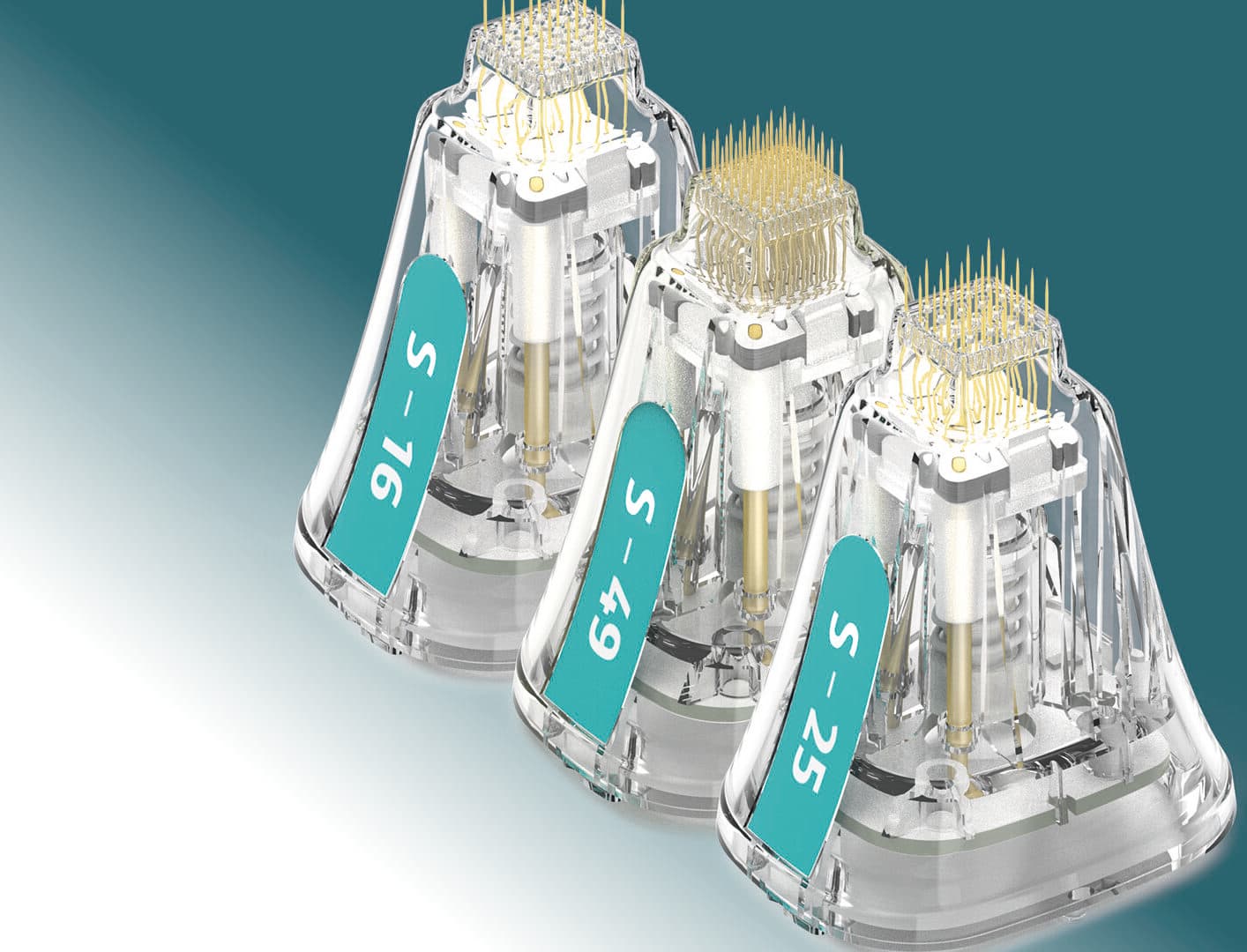
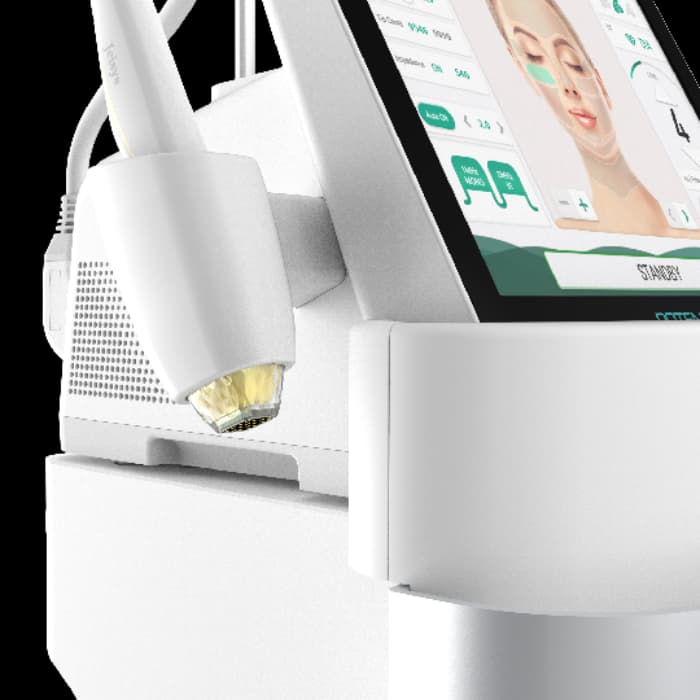
Explore the POTENZA technology and the full tip range on our website, and register for the Jeisys partner portal for sequencing and protocol documentation and clinical support.
Frequently Asked Questions about Managing RF Microneedling Complications
Topical actives delivered during the pass are part of the treatment rather than a second procedure, and are covered separately. Stacking multiple thermal modalities in one session is a different matter, since tissue already heated responds differently and the operator is delivering into conditions they have not assessed.
Common practice is to allow toxin to take full effect before an RF pass through the same field, which in most protocols means around two weeks rather than days. Where RF is delivered first, a shorter interval is often accepted once the acute response has settled and the skin is intact.
The interval depends on the plane of placement and the product used, since deep placement sits well away from the thermal zone of a dermal pass while superficial placement sits close to it. Practice commonly allows several weeks for integration and oedema to settle, and the manufacturer instructions for the specific filler take precedence.
Staged rather than same-day treatment is the usual approach, because both modalities provoke a controlled inflammatory and fibroblastic response. Delivering them to the same tissue simultaneously makes the combined load difficult to predict and impossible to attribute if a problem arises.
Separating them into different sessions with an adequate recovery interval is more predictable, because the first modality alters impedance, hydration and barrier integrity. Separating them also preserves the ability to attribute both the result and any complication to the correct treatment.
Disclaimer
This article is intended for educational purposes for healthcare professionals and does not constitute clinical advice or a treatment protocol. POTENZA is a CE-marked device indicated for use in dermatologic and general surgical procedures for electrocoagulation and haemostasis. Features and configurations may vary by market. Impedance monitoring supports consistency of energy delivery and does not replace clinical judgement, correct depth selection or operator technique. All parameter selection and patient suitability decisions remain the responsibility of the treating clinician, working within their scope of practice and applicable national regulation.