The Benefits of RF Microneedling: What It Can and Can't Do
- Articles
RF microneedling has become one of the most requested skin treatments because it addresses several concerns at once with a short recovery. This guide sets out the real benefits, where the evidence sits, and the limits worth knowing before you book.
What are the main benefits of RF microneedling?
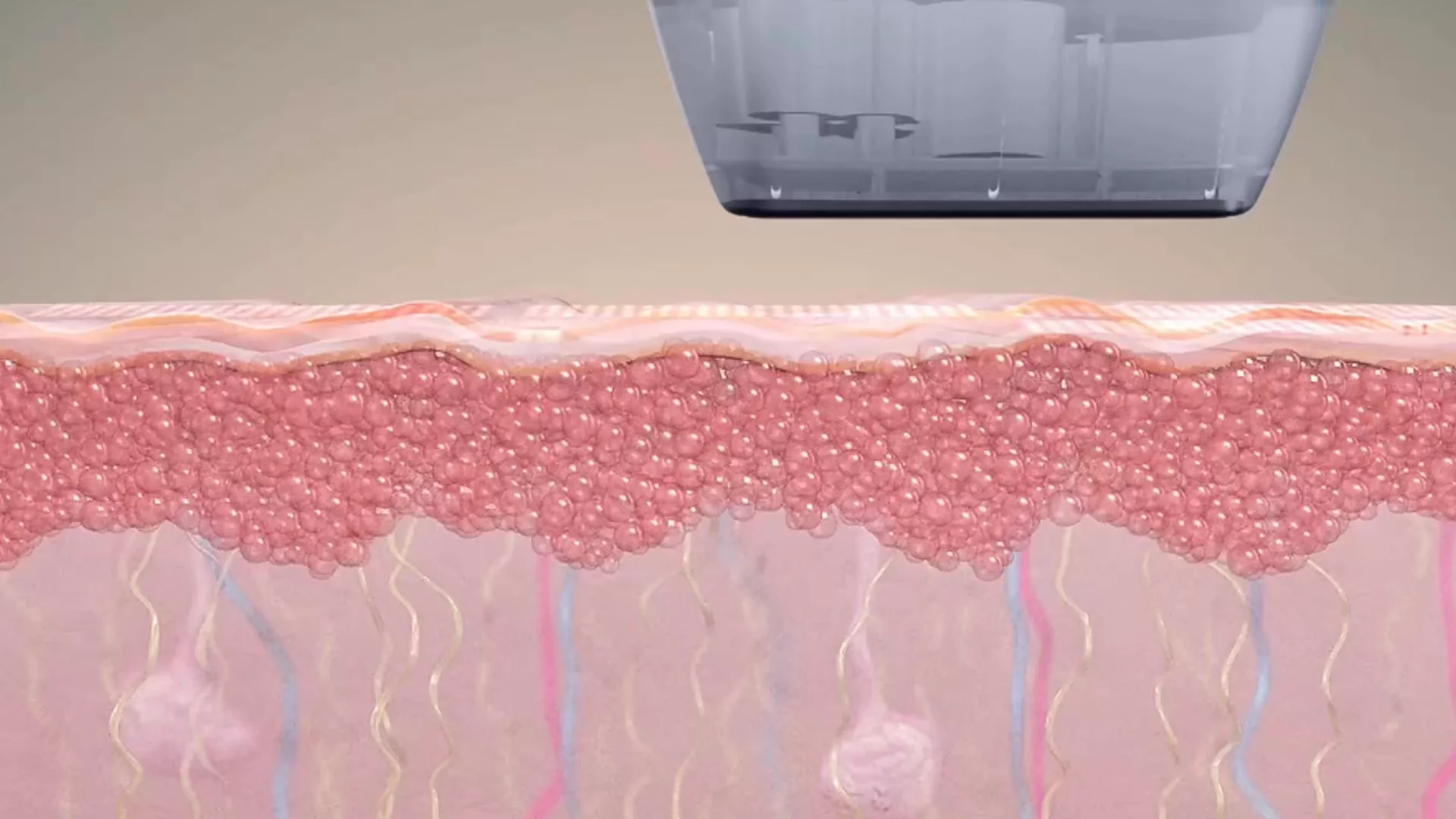
The main benefit of RF microneedling is that it improves both surface texture and underlying firmness in a single treatment, because it combines microneedling with controlled heat in the deeper layer. On platforms such as POTENZA it can be tuned for different concerns, works across all skin types, and keeps improving the skin for months after the appointment as new collagen forms. It is not a substitute for surgery, and results build gradually rather than overnight.
Disclaimer: This article is intended for general information and education only. It is not medical advice and does not replace a consultation with a qualified, licensed medical or aesthetic practitioner. Treatment suitability, settings and outcomes vary between individuals, so always seek a professional assessment before deciding on any aesthetic procedure. POTENZA is a registered trademark of Jeisys Medical Inc. and is a CE-marked device intended for use in dermatologic and electronic surgical procedures for electrocoagulation and hemostasis.
The benefits, in detail
It treats more than one concern at a time. The needles renew surface texture while the heat firms the deeper layer, so a single session can soften fine lines, refine texture and improve mild laxity together. That breadth is the reason one device can sit at the centre of a clinic’s skin offering.
It builds your own collagen. Rather than adding volume from outside, the controlled heat prompts the skin to produce new collagen and elastin over the following months. The improvement is gradual and looks natural because it comes from the skin’s own repair.
It works across all skin tones. Because radiofrequency energy works below the surface and largely bypasses the pigment in the outer layer, RF microneedling is generally considered suitable for all Fitzpatrick skin types. Settings are still chosen more conservatively for darker skin to keep the risk of pigment change low.
The recovery is short. Most people have redness and a warm feeling for a day or two and are back to normal activities within one to three days. This is why the treatment fits around work and family life, and why it is often described as a “lunchtime” procedure.
It can improve how well topicals are absorbed. The micro-channels created during treatment can act as temporary routes for products applied at the same time, such as hyaluronic acid, polynucleotides or exosomes. On POTENZA, the patented Pumping Tip is designed to drive topicals deeper into the skin, reported at 67% deeper penetration than standard application in the manufacturer’s white paper by Dr Christine Dierickx.
It is adjustable. The depth, energy mode and frequency can all be changed, so the same treatment can be light and superficial or firmer and deeper. A dual-mode platform such as POTENZA offers both Monopolar and Bipolar energy, which widens the range of concerns it can address.
What RF microneedling does not do
Honesty about the limits matters more than a long list of promises.
- It is not a facelift. For significant sagging, a surgical or more intensive approach may be more appropriate, and a good practitioner will say so.
- It does not give instant results. The firming develops over three to six months.
- It is not a one-off fix. A short course gives the best result, and maintenance keeps it.
- It is not suitable for everyone. People who are pregnant, have certain implants, active skin infection, a history of keloid scarring, or who are taking isotretinoin should not have it, or need clearance first.
Who benefits most
RF microneedling suits people with early to moderate skin laxity, acne scarring, stretch marks, enlarged pores, or uneven texture who want a non-surgical option and can accept a short recovery. It is equally relevant to practitioners looking for a versatile platform that treats a broad range of concerns from one device.
Results and timeline
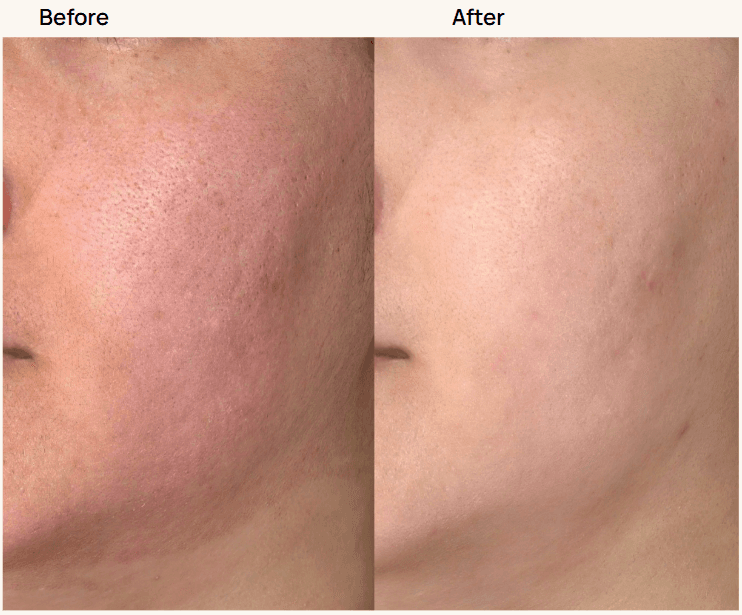
Texture and tone often look fresher within two to four weeks. The collagen-driven firming continues for three to six months. A course of around three sessions, four to six weeks apart, is typical, with results lasting roughly 12 to 18 months and maintenance every 6 to 12 months.
The manufacturer reports up to 60% improvement in texture, wrinkles and laxity after one to three sessions, and a 91% RealSelf “Worth It” rating as of January 2026, figures drawn respectively from a white paper by Dr Christine Dierickx and from RealSelf user ratings.
Results and timeline
With traditional microneedling, texture improvements build gradually and usually need a longer course to show meaningful change, particularly for anything beyond surface quality.
With RF microneedling, surface improvement appears within two to four weeks, and the deeper firming continues for three to six months as new collagen forms. A typical RF course is around three sessions four to six weeks apart, with maintenance every 6 to 12 months. Recovery is short for both, though RF microneedling can involve a little more redness and occasional pinpoint bleeding on the day because of the depth and the heat.
A note from the Jeisys Europe Team
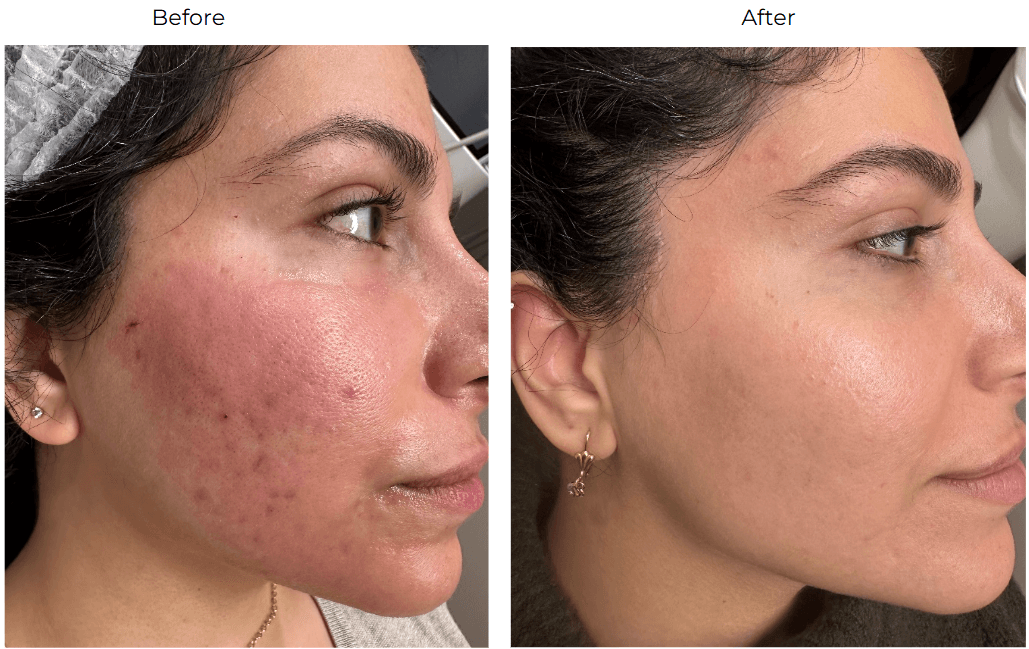
The benefit patients notice most is that the result looks like better skin rather than “having had something done”. That comes from building collagen gradually and from matching the energy to the skin instead of overpowering it. POTENZA’s adjustable modes and real-time impedance feedback are there to keep the treatment in that controlled, natural-looking range across different concerns and skin types.
Conclusion and next step
RF microneedling’s core benefit is breadth with control: it improves texture and firmness together, builds your own collagen, and works across all skin types with a short recovery, while stopping short of what surgery achieves. To see the outcomes practitioners report, view proven results with POTENZA.
Frequently asked questions on RF Microneedling in 2026
That it improves surface texture and deeper firmness at the same time, because it pairs microneedling with controlled heat. One treatment can address several concerns rather than just one.
Yes, to a degree. The heat contracts existing collagen and stimulates new collagen, which firms early to moderate laxity. It is not a replacement for surgery where sagging is significant.
Results typically last 12 to 18 months depending on age, skin and lifestyle, with maintenance every 6 to 12 months to sustain them as natural ageing continues.
It is one of the more useful non-surgical options for acne scarring, because the combination of micro-channels and depth-controlled heat targets the textured, structural nature of scars. We cover this in a dedicated guide.
RF microneedling is generally suitable across all Fitzpatrick skin types because the energy works below the surface. For darker skin, conservative settings keep the small risk of pigment change low while still delivering benefit.


