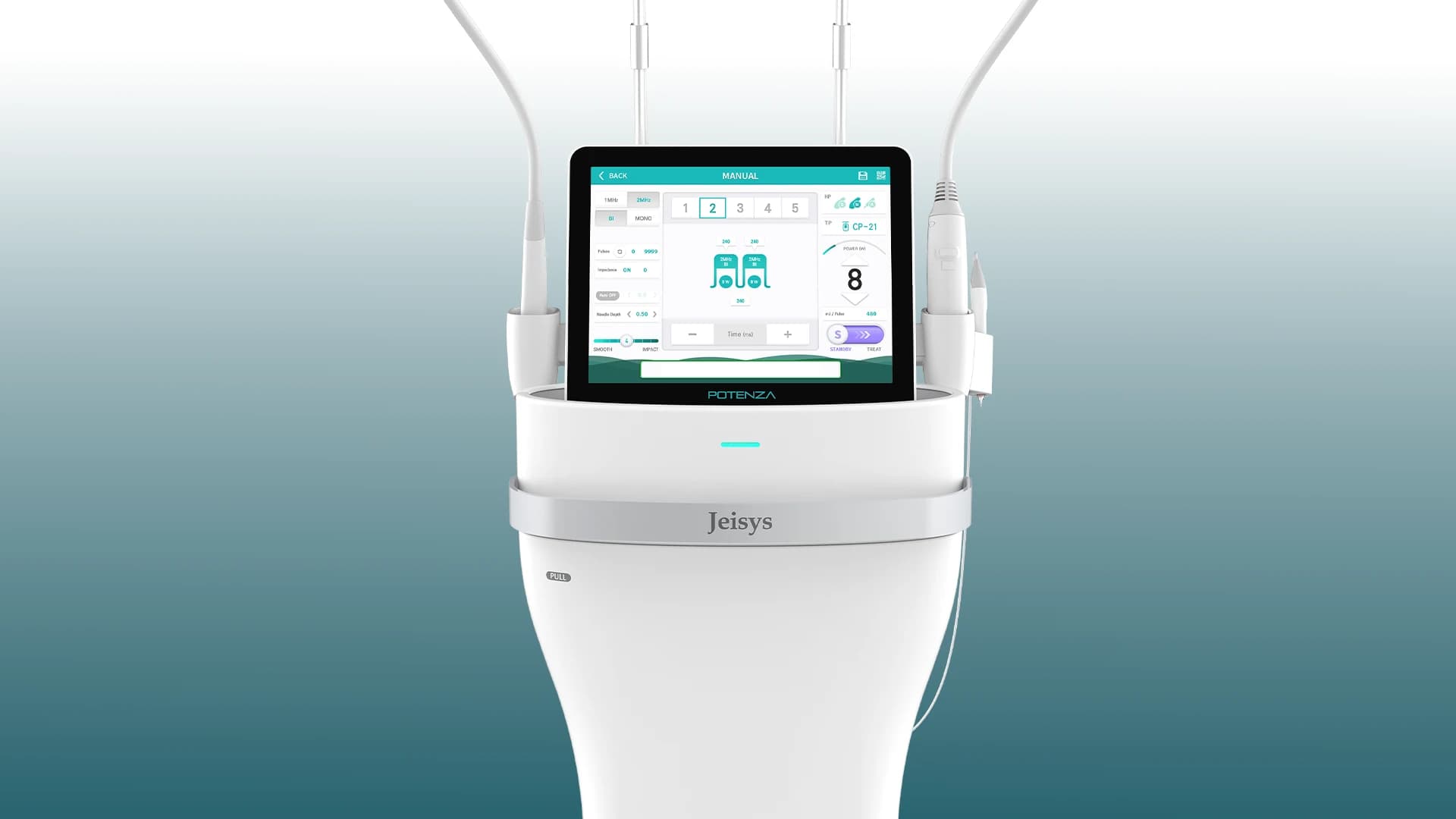
Investing in an RF Microneedling Platform: What to Model Before You Buy
- Articles
Clinic owners rarely ask what a platform costs and then stop there. The purchase price is the easiest number to obtain and the least useful in isolation. The question that determines whether a device was a good decision is cost and revenue per treatment hour, sustained across the working life of the asset.
That is answerable, but only by modelling it against the specifics of an individual clinic: its patient mix, its diary, its staffing and its market. No figures are given here, deliberately. Pricing, consumable costs, chair rates and achievable utilisation vary so substantially between European markets that any number quoted generically would be misleading in most of them.
The Variables That Belong in the Model
Indication breadth and appointment mix. The range of indications a platform can address determines how many appointment types it can fill. A device restricted to one or two indications competes for a narrow slice of the diary. A platform covering rejuvenation, scarring, textural concerns, body areas and delivery protocols, as our proven results and tip range set out, can fill hours that would otherwise sit empty, which changes the utilisation assumption at the heart of the model.
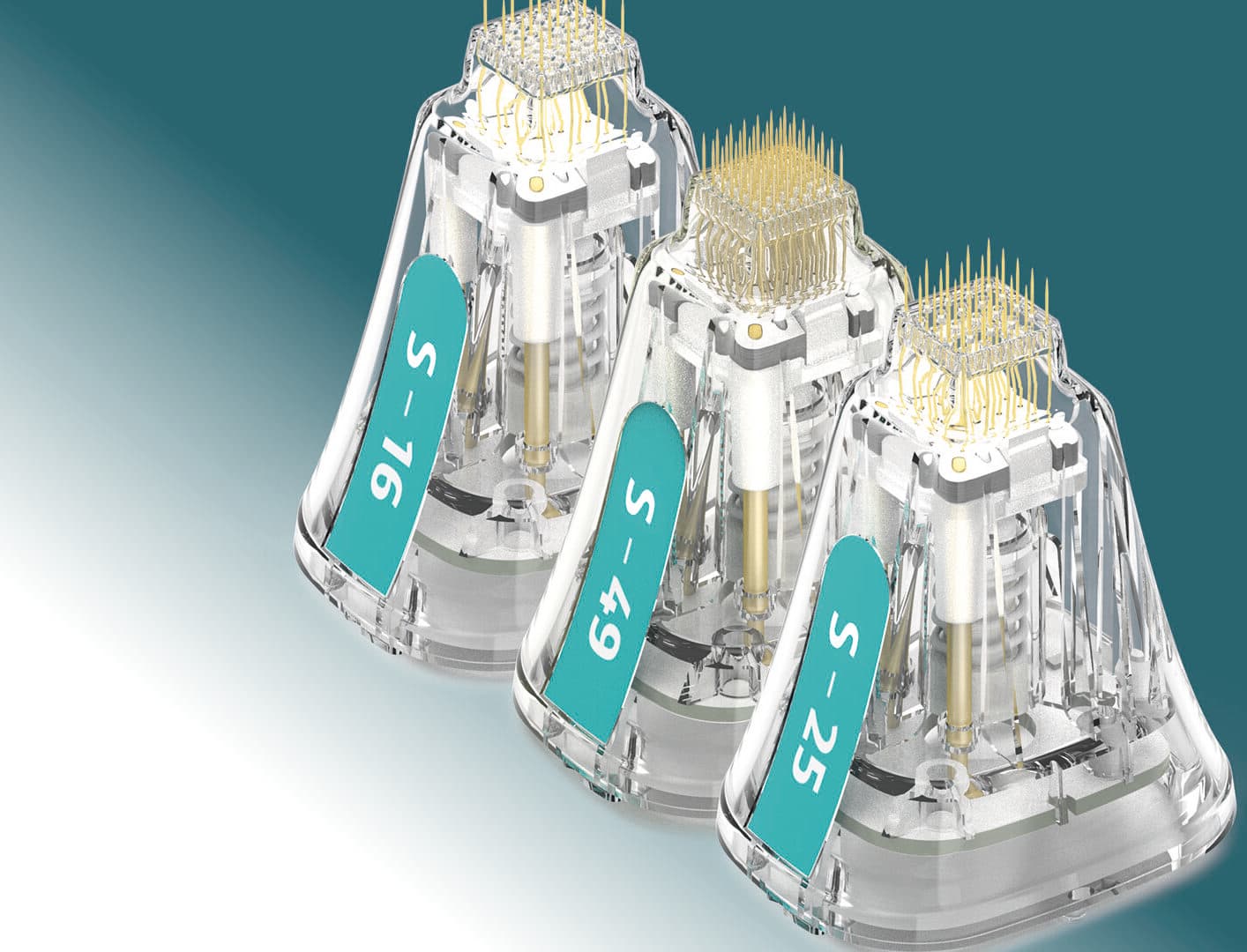
Consumable cost per treatment. Tips are consumables, and cost per treatment varies with which tip is used and how much area is treated. Single-use requirements are not negotiable. Model consumable cost per appointment type rather than as a single average, because the mix determines the blended figure. Specification, as distinct from economics, is covered in our article on what makes a good RF microneedling device.
Chair time per protocol. Treatment time varies by indication, area and tip, and converts directly into how many treatments a working day can hold. Configurations that reduce treatment time for a given area change the model rather than simply improving convenience.
Realistic utilisation in year one and year two. This is where most models fail. First-year utilisation is limited by awareness, operator confidence and the time taken to build a patient base. Modelling year one at the utilisation expected in year two produces a plan that misses, and the shortfall is usually attributed to the device rather than to the assumption.
Training and ramp-up. Time spent training, and reduced throughput during the learning period, are real costs even though they do not appear on an invoice. Operator confidence also determines how quickly a clinic starts offering the more complex protocols that broaden the appointment mix.
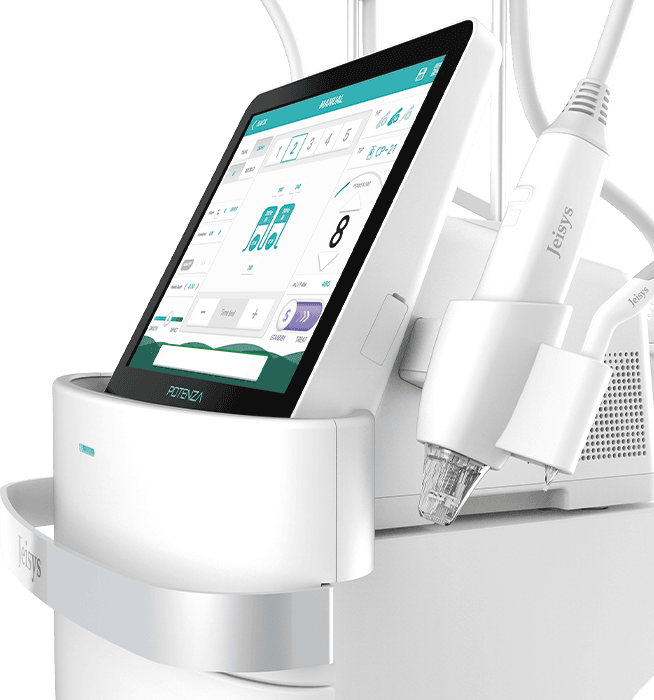
Why Platform Versatility Changes the Arithmetic
A capital asset has a fixed cost regardless of how it is used. Everything that increases the number of appointment types it can serve spreads that fixed cost across more revenue-generating hours. This is arithmetic rather than marketing.
A device serving rejuvenation, scarring, textural concerns, body treatment and RF-assisted delivery protocols draws on several distinct patient populations, each with its own referral pattern and seasonality. A device serving one indication depends on a single population, and any softening of demand goes straight through to utilisation.
Two further points affect the same calculation. A platform usable across all Fitzpatrick skin types is available to the clinic’s whole patient base rather than part of it. And a platform usable year-round, including through summer, does not have a seasonal gap built into its utilisation model. Both directly affect the number of treatable hours in a year.
How to Approach the Decision
Start from the diary rather than from the device. Establish which indications the clinic already sees demand for and which it currently turns away or refers out. Estimate the appointment mix that would result. Apply consumable cost and chair time per appointment type to that mix. Then apply a conservative first-year utilisation assumption and a more mature second-year one, and look at the result across the expected life of the asset rather than a single year.
Two disciplines make the exercise worth doing. Model conservatively, because an optimistic model tells you what you want rather than what will happen. And model the mix rather than an average, because the mix is what a versatile platform actually changes. Market-specific figures for consumables, pricing and service terms are best obtained directly, since they vary by country and by clinic configuration.
Explore our proven results and the full POTENZA tip range on our website, or contact the Jeisys team through our general enquiry page for market-specific information to support your own modelling.
Frequently Asked Questions about RF Microneedling Machine Cost for Clinics
Purchase price varies considerably by market, configuration and commercial terms, so a generic figure would be misleading. The more useful measure is cost and revenue per treatment hour, which depends on appointment mix, consumable cost per treatment, chair time and realistic utilisation.
Indication breadth and the resulting appointment mix, consumable cost modelled per appointment type rather than as a single average, chair time per protocol, and realistic utilisation modelled separately for the first and second years. Operator availability, service terms, consumable supply reliability and governance capacity belong alongside the financial variables.
A capital asset carries a fixed cost regardless of use, so anything that increases the number of appointment types it can serve spreads that cost across more revenue-generating hours. A multi-indication platform draws on several patient populations rather than one, which reduces exposure to softening demand in any single indication.
First-year utilisation is limited by awareness, operator confidence and the time required to build a patient base for a new treatment, so first and second year assumptions should be modelled separately. Applying a mature utilisation figure to year one is one of the most common modelling errors.
The principal ongoing cost is single-use consumable tips, which vary by tip type and treated area and should be modelled against the expected appointment mix. Service and support arrangements, staff training, and the time cost of documentation and governance obligations also recur, and all vary by market.
Disclaimer
This article is intended for educational purposes for healthcare professionals and does not constitute clinical advice or a treatment protocol. POTENZA is a CE-marked device indicated for use in dermatologic and general surgical procedures for electrocoagulation and haemostasis. Features and configurations may vary by market. Impedance monitoring supports consistency of energy delivery and does not replace clinical judgement, correct depth selection or operator technique. All parameter selection and patient suitability decisions remain the responsibility of the treating clinician, working within their scope of practice and applicable national regulation.