RF Microneedling for Excessive Underarm Sweating: What the Evidence Shows
- Articles
Almost every application of RF microneedling discussed in aesthetic practice involves remodelling collagen. Primary axillary hyperhidrosis is the exception. Here the target is not the dermal matrix but the sweat glands themselves, and that makes it the one indication where the mechanism, the evidence and the patient conversation all work differently.
It is also an indication where the published evidence does not support the enthusiasm that sometimes surrounds it. This article sets out the mechanism, what the comparative studies actually found, and where that leaves fractional radiofrequency microneedling in practice.
A Different Target: Sweat Glands Rather Than Collagen
Eccrine and apocrine glands sit in the deep dermis and at the dermal-subcutaneous junction. The rationale for fractional microneedle radiofrequency in hyperhidrosis is that controlled thermal energy delivered at that level reduces glandular function, rather than stimulating the neocollagenesis that drives every other indication.
Two consequences follow immediately. The depth required is governed by where the glands sit rather than by a dermal remodelling target, so a facial rejuvenation protocol transferred to the axilla is simply the wrong treatment. And the clinical endpoint is a functional one, measured in sweating, not a textural one measured in the skin.
What the Published Comparisons Actually Show
This is the part worth being precise about, because the available head-to-head data runs against the way the indication is often promoted.
A randomised controlled trial published in Lasers in Medical Science in 2024 compared fractional microneedle radiofrequency with intradermal botulinum toxin-A in 20 patients, using a split-body design in which each patient received one treatment per axilla, with follow-up at 3, 6 and 12 months. Both treatments significantly reduced Hyperhidrosis Disease Severity Scale scores from baseline, and both peaked at around three months. Botulinum toxin-A was more effective at every time point for severity, quality of life and patient satisfaction. Treatment success at six months was 75% for toxin against 30% for radiofrequency. By twelve months the difference was no longer statistically significant, because both had declined substantially.
An earlier randomised split-side study of 20 patients reached the same conclusion at a twelve-week endpoint, with lower severity scores, higher satisfaction and better quality of life on the toxin side. In the 2024 trial the radiofrequency side was also significantly more painful, although both treatments were considered equally safe and no infections, bruising or post-inflammatory pigmentation were recorded in either group.
The 2021 critical review of radiofrequency microneedling in Dermatologic Surgery identified five higher-quality studies in axillary hyperhidrosis out of 42 across all indications, so this is a real but small body of work rather than an established position.
Where That Leaves It in Practice
The honest summary is that fractional radiofrequency microneedling reduces axillary sweating, that botulinum toxin-A outperformed it in both published comparisons, and that the radiofrequency effect waned faster rather than lasting longer. Any claim that it offers greater durability than toxin is not supported by the data currently available.
That does not make it irrelevant. It is a reasonable option to discuss where toxin is declined, is not tolerated, has lost effect, or where a patient specifically prefers a device-based approach and understands the comparative evidence. What it should not be presented as is a superior or longer-lasting replacement for the current standard of care.
Patient Selection: Primary Against Secondary
This is a medical rather than a cosmetic presentation, and the diagnostic step is not optional. Primary focal hyperhidrosis is idiopathic, typically bilateral and symmetrical, begins in adolescence or early adulthood and characteristically does not occur during sleep.
Secondary hyperhidrosis, by contrast, is a symptom. Generalised sweating, unilateral or asymmetrical distribution, nocturnal sweating, a later age of onset or associated systemic features all point away from a primary diagnosis and towards investigation of an underlying cause, including endocrine, neurological, infective and medication-related causes. Treating a secondary presentation with an energy device delays the diagnosis that matters.
Practical Delivery in the Axilla
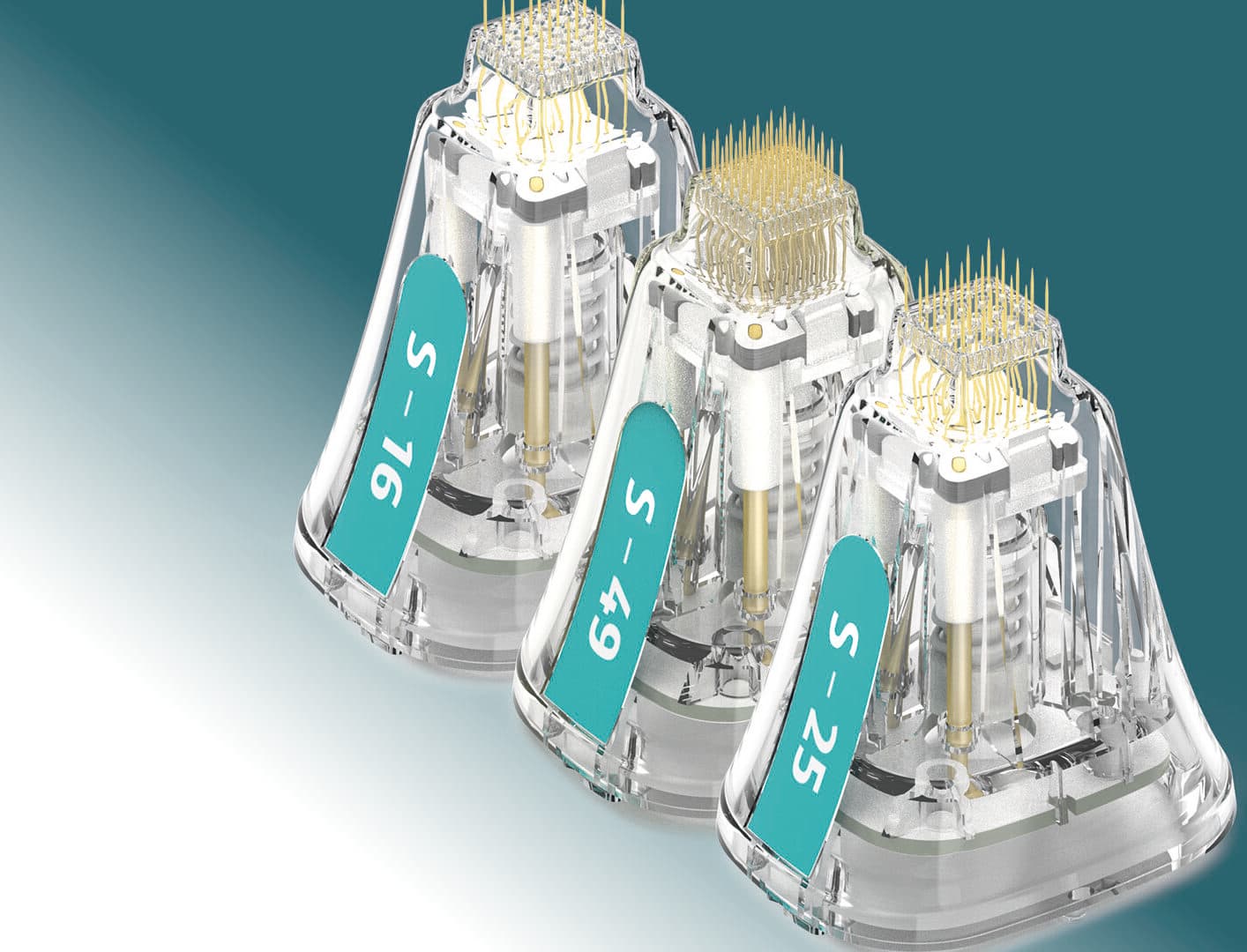
Depth selection is set to reach glandular level at the dermal-subcutaneous junction, which is materially deeper than a facial rejuvenation setting. Our guide to choosing an RF microneedling tip covers how depth, density and insulation are selected.
Mapping and starch-iodine testing are used in practice to define the treatment field, since the sweating area does not necessarily match the visible hair-bearing area.
Anaesthesia and comfort need planning. The axilla is sensitive and the published comparison found radiofrequency significantly more painful than intradermal toxin.
Session count in the published protocols runs to several sessions at intervals of a few weeks, against a single session for toxin, which is part of the practical comparison for the patient.
Downtime in the axilla involves erythema, oedema and tenderness, with friction, deodorant and hair removal needing to be managed during recovery. Our article on RF microneedling on the body covers non-facial treatment more generally.
What Is Not Settled
Protocols differ considerably between studies in depth, energy, session count and interval, which makes cross-study comparison difficult and means no single protocol can be described as established. Sample sizes are small, the longest follow-up in the comparative literature is twelve months, and results vary between individuals. Where a patient asks how long the effect lasts, the accurate answer is that the published data shows decline over months rather than a durable result.
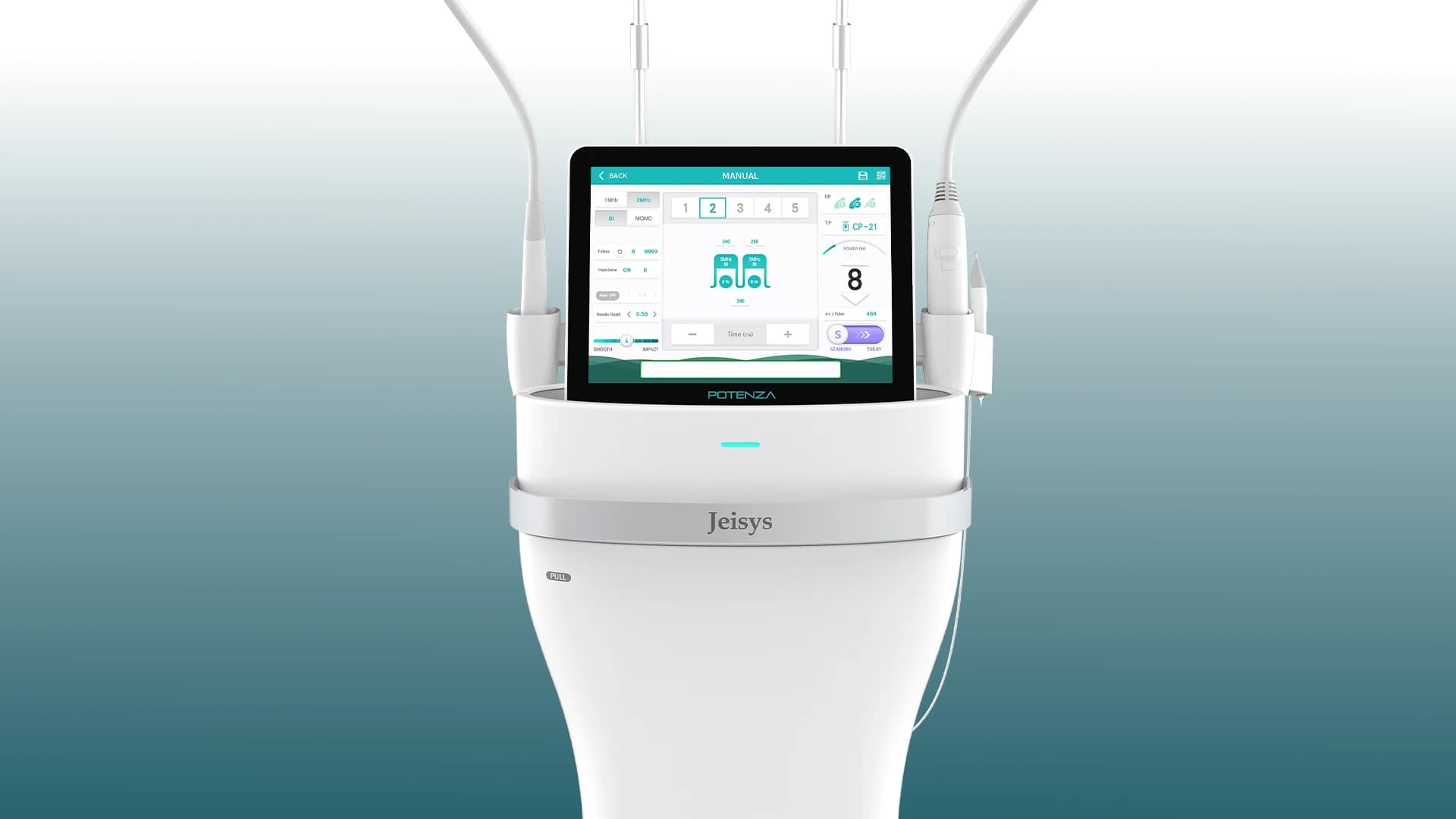
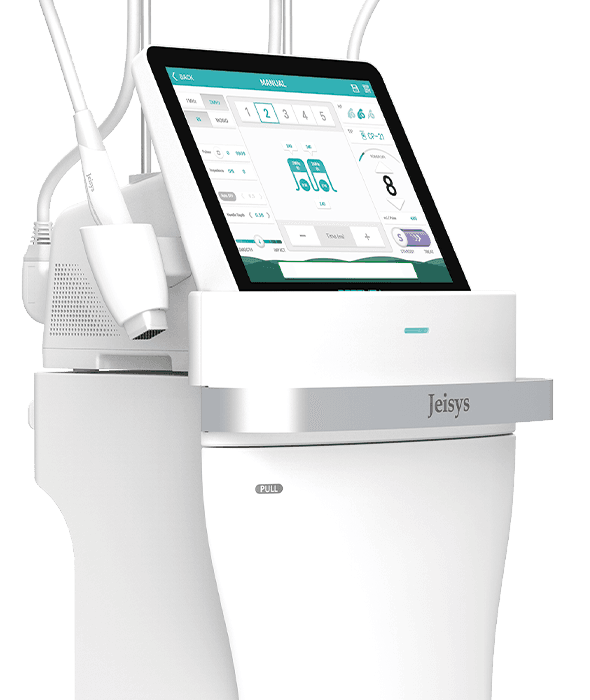
Explore the indications we support on our skin concerns page and the POTENZA technology, and register for the Jeisys partner portal for protocol documentation and clinical support.
Frequently Asked Questions about RF Microneedling for Hyperhidrosis
Disclaimer
This article is intended for educational purposes for healthcare professionals and does not constitute clinical advice or a treatment protocol. POTENZA is a CE-marked device indicated for use in dermatologic and general surgical procedures for electrocoagulation and haemostasis. The use of fractional radiofrequency microneedling in primary axillary hyperhidrosis is discussed here as an application reported in the clinical literature, and no regulatory indication beyond the device’s stated intended use is claimed or implied. Hyperhidrosis is a medical presentation requiring diagnosis. Individual results vary and no outcome is guaranteed. All treatment decisions remain the responsibility of the treating clinician, working within their scope of practice and applicable national regulation.